Cleanliness and Healthy Habits for Kids
Practicing cleanliness habits for kids keeps your body fresh and your mind active. In this fun lesson, children will learn daily hygiene habits like washing hands, trimming nails, and keeping their surroundings clean. Through pictures and audio, kids can easily remember these cleanliness habits and stay healthy every day. Teaching cleanliness and healthy habits for kids early builds a lifetime of self-care and confidence.
Wash Hands Before and After Eating
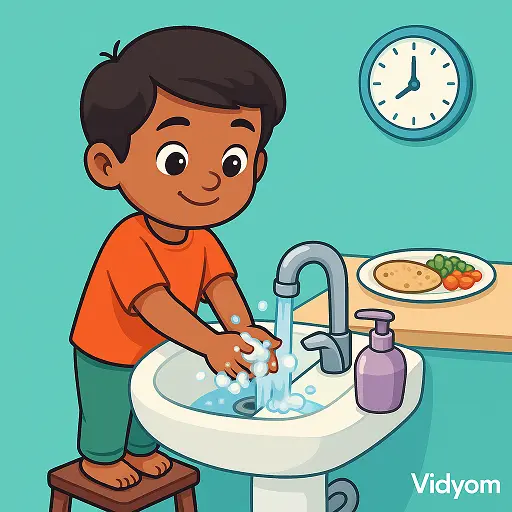
Always wash your hands before and after eating to keep germs away.
Cut Nails Regularly
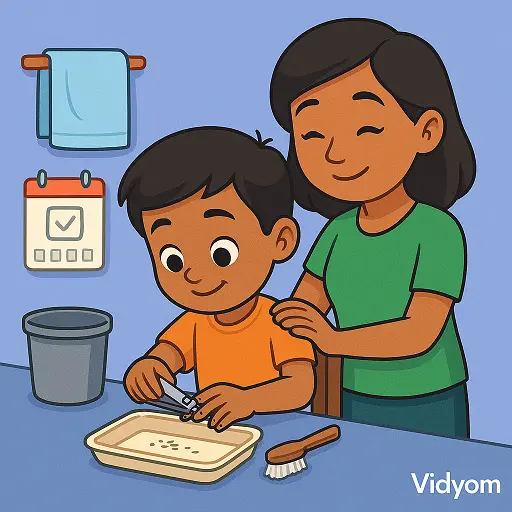
Keep your nails short and clean so that no dirt stays trapped inside.
Keep Shoes and Clothes Clean
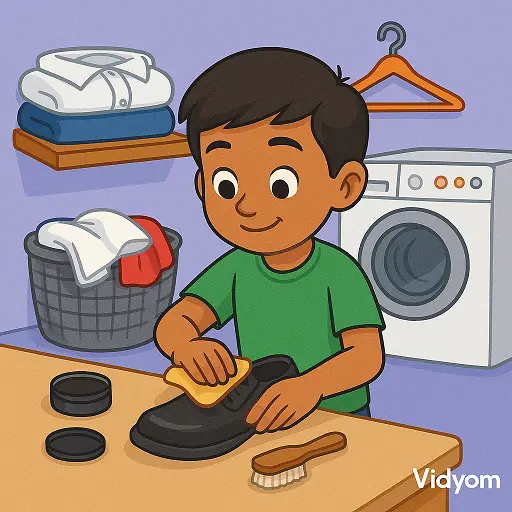
Clean shoes and fresh clothes help you look smart and feel comfortable.
Use a Handkerchief When Sneezing
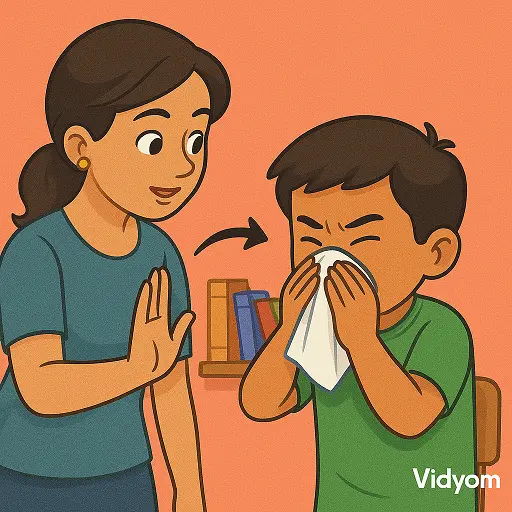
Cover your mouth and nose with a handkerchief when sneezing or coughing.
Don’t Litter – Use a Dustbin
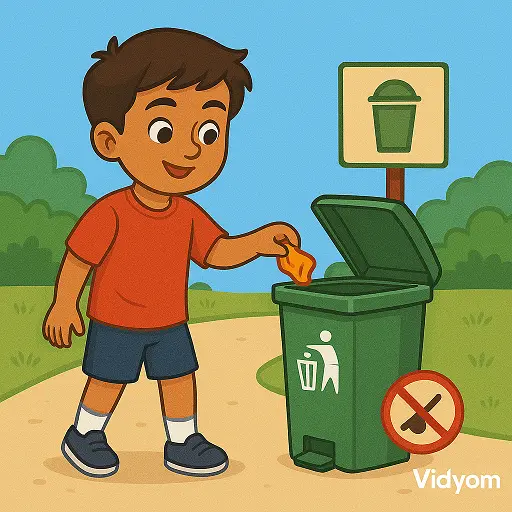
Throw waste only in the dustbin and keep your surroundings clean.
Brush Teeth Twice a Day
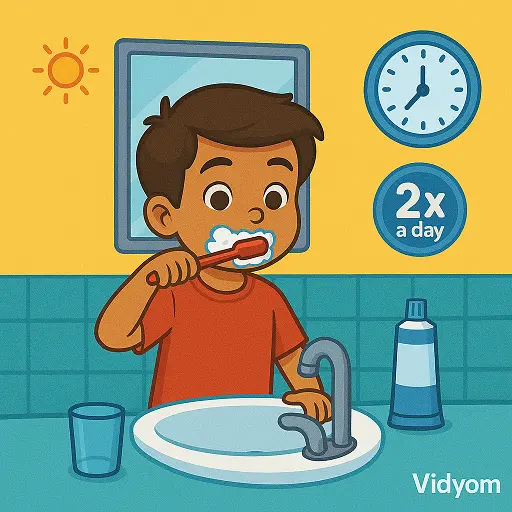
Brush your teeth in the morning and before bed to keep them shiny and strong.
Take a Bath Daily
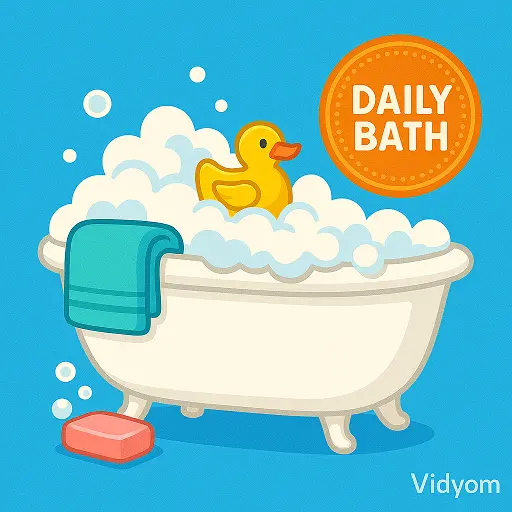
A daily bath refreshes your body and protects you from germs.
Drink Plenty of Clean Water
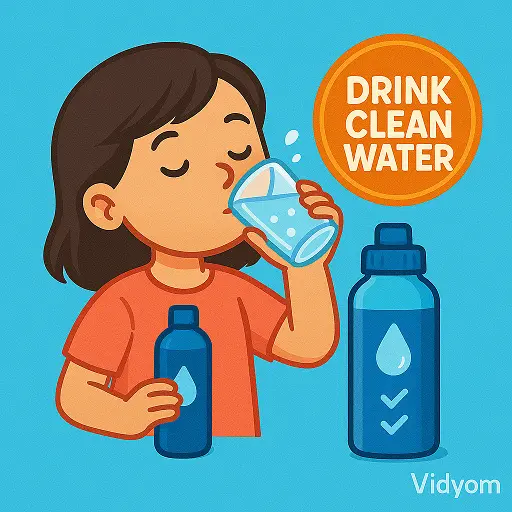
Drinking enough water keeps your body healthy and skin glowing.
Eat Fresh Fruits and Vegetables
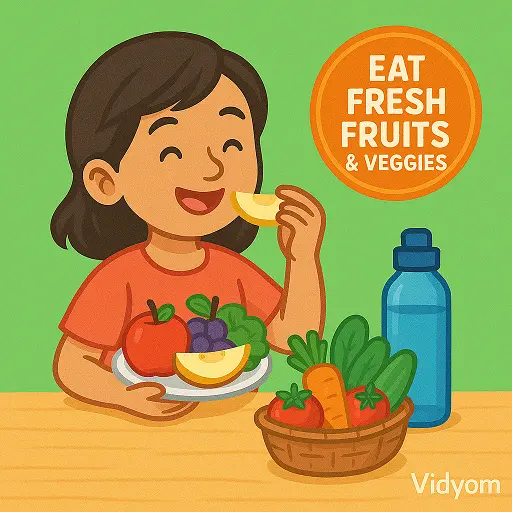
Healthy food gives you energy and helps your body grow strong.
Sleep Early and Wake Up Early
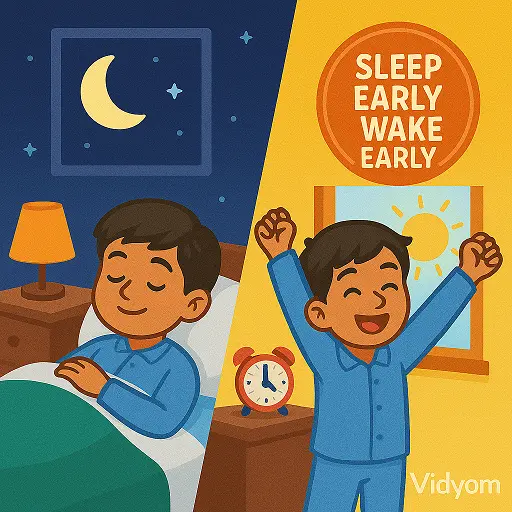
Good sleep keeps your body rested and mind ready for learning.
Tips for Parents – Teaching Cleanliness and Healthy Habits
- 🧼 Show by example — children copy parents. Practice cleanliness and healthy habits for kids together daily.
- 🎯 Make routines visual — create a simple hygiene chart with stickers for completed tasks.
- 🪥 Explain “why” — tell children that cleanliness keeps germs away and builds confidence.
- 🎵 Use fun songs — make brushing or washing a playful activity.
- 🌟 Praise effort — encourage every small step toward good hygiene habits.
Cleanliness Habits for Kids – Lesson Summary
This lesson encourages children to follow simple hygiene rules and routines so they can stay neat, active and protected from germs every day.
What Cleanliness Habits for Kids Teach
Children learn to wash hands at the right times, trim nails, keep clothes and shoes clean, cover their mouth when sneezing and use dustbins. The picture cards and audio help them see each habit clearly and remember how to do it.
Why Cleanliness Habits for Kids Matter
Regular hygiene and healthy daily choices reduce sickness and tiredness. These routines support strong bodies, fresh minds and better focus during study, play and family activities.
How to Practice Cleanliness Habits for Kids
Parents can choose one habit at a time, show the card, play the audio and practice it together, like proper handwashing or brushing teeth. Gentle reminders and small praise each day help these habits slowly become part of the child’s natural routine.

📲 Download VIDYOM App
Fun & interactive Kids Learning App! Install now and don’t forget to ⭐ rate us on Google Play.
Frequently Asked Questions – Cleanliness Habits for Kids
What are cleanliness habits for kids?
Important hygiene habits for children include washing hands regularly, brushing teeth twice a day, taking a daily bath, wearing clean clothes, and keeping their room and study area tidy.
Why are cleanliness habits for kids so important?
These simple hygiene routines help prevent illness, remove germs, and build discipline. They teach children to respect their own body and care for their surroundings from an early age.
How can parents teach cleanliness habits for kids at home?
Parents can teach good cleanliness routines by showing daily habits, using charts or stickers, giving gentle reminders, and praising children whenever they wash hands, bathe, or keep things clean on their own.
How do I make cleanliness habits for kids fun and interesting?
You can make these hygiene habits fun by using songs, short stories, colorful posters, and simple games like “who washes hands first” or “keep the room clean challenge.”
At what age should we start teaching cleanliness habits for kids?
You can start teaching basic cleanliness from 2–3 years of age using simple actions like handwashing and putting toys in a basket. As they grow, slowly add more habits like brushing properly and keeping their study table clean.