Good Morning Habits for Kids
Good morning habits help children begin the day fresh, clean, and full of energy. In this lesson, you’ll learn good morning habits for kids that build a healthy morning routine—like brushing teeth, bathing, and eating breakfast. These healthy habits for kids create a strong daily routine for children and make mornings fun and full of learning. Start every day with positive energy and a happy smile!
Wake Up Early
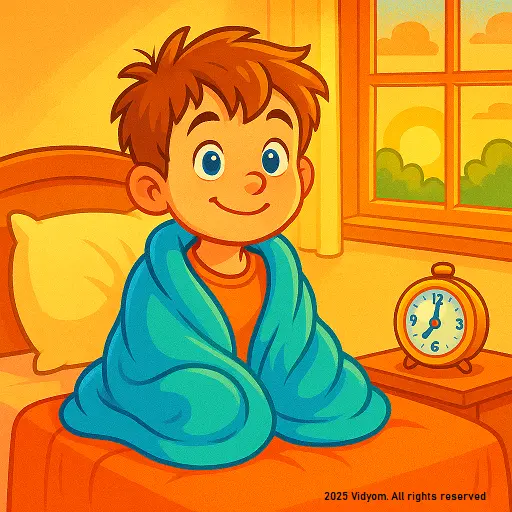
Get up early to enjoy the morning air and start your day calmly.
Make Your Bed
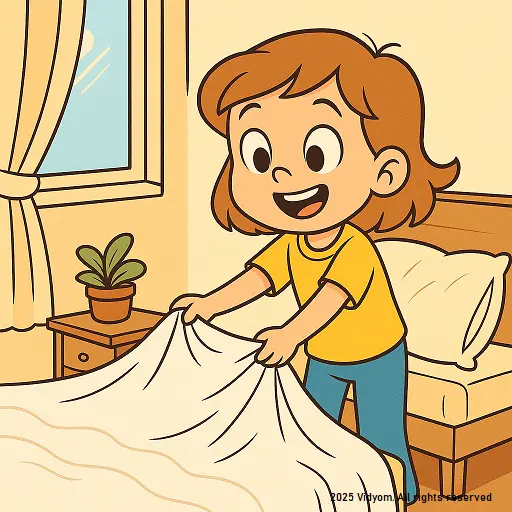
After waking up, arrange your bed properly to keep your room tidy.
Brush Your Teeth
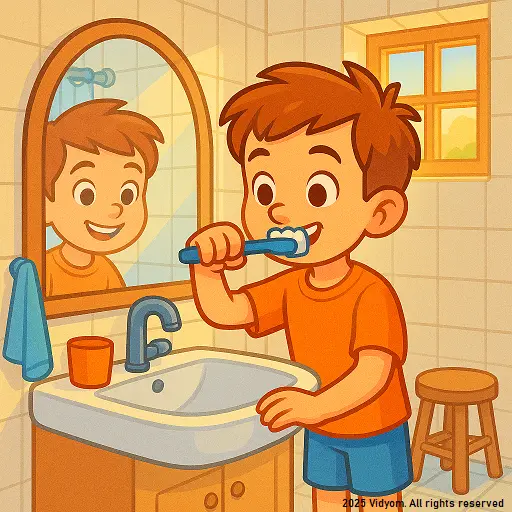
Brushing every morning keeps your teeth clean and mouth fresh.
Take a Bath
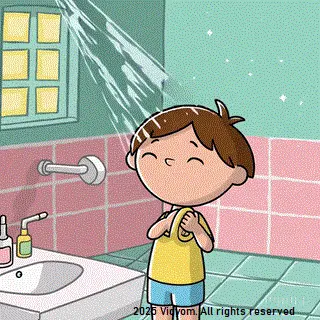
Bathing keeps your body clean and makes you feel fresh all day long.
Comb Your Hair
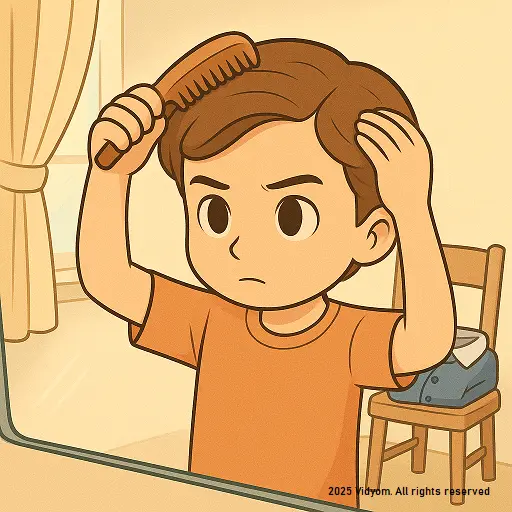
Keep your hair neat and tidy — it shows you care for your appearance.
Wear Clean Clothes
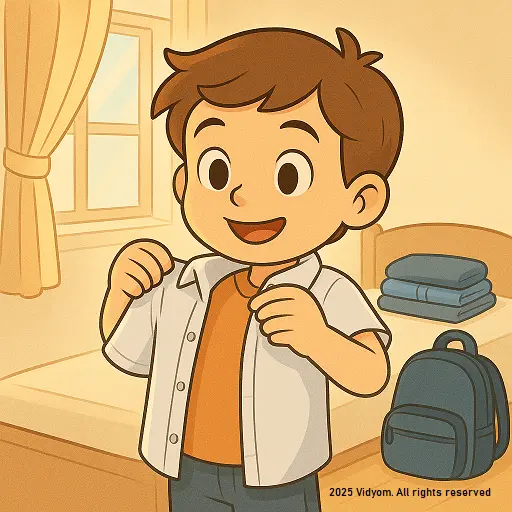
Always wear clean and tidy clothes to look smart and feel good.
Drink Water After Waking Up
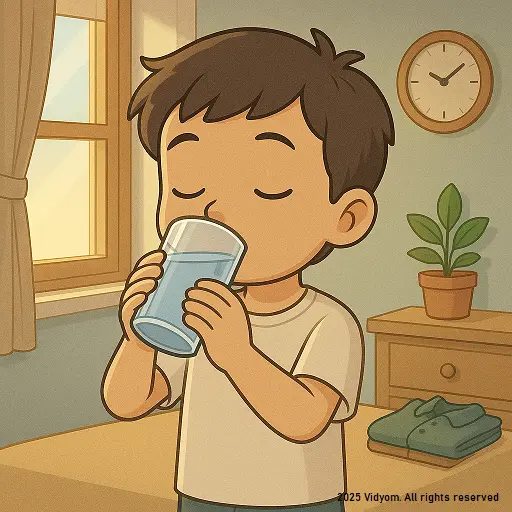
Drinking water after waking up helps your body stay strong and healthy.
Eat Healthy Breakfast
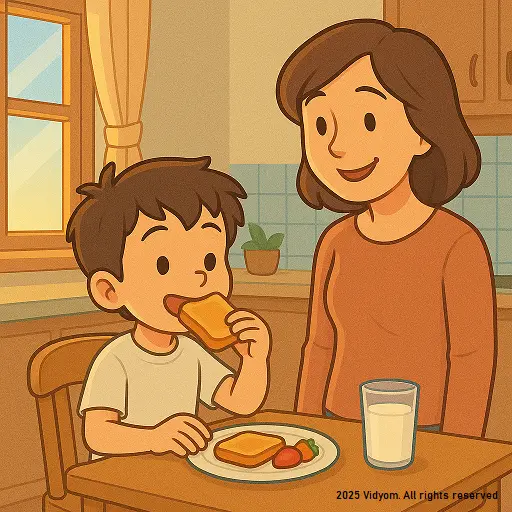
Never skip your breakfast — it gives you the energy to learn and play.
Greet Your Parents “Good Morning”

Start your day by greeting your parents — it spreads love and happiness.
Pack Your School Bag
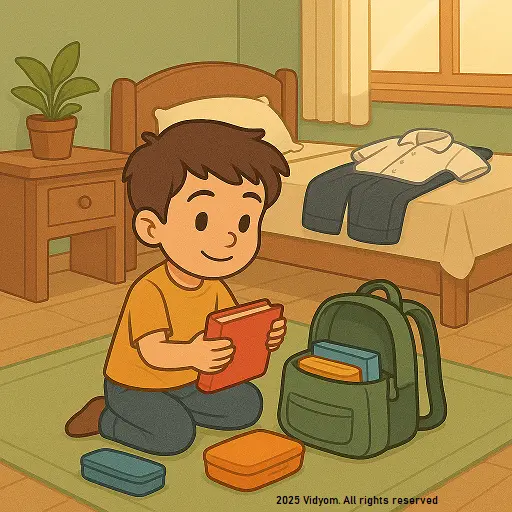
Check your timetable and pack your bag neatly before leaving for school.
Good Morning Habits for Kids – Lesson Summary
This lesson shows a simple step-by-step routine to start the day calmly, using pictures and audio so children can see, listen and practice every morning.
What Good Morning Habits for Kids Teach
Children learn to wake up on time, make the bed, brush, bathe, dress neatly and eat breakfast in a relaxed way. Each card uses short sentences and clear visuals so young learners can remember the routine easily.
Why Good Morning Habits for Kids Matter
A fixed morning routine helps kids stay clean, healthy and prepared for school. Regular practice builds discipline, confidence and a positive mood that supports study and play the whole day.
How to Use Good Morning Habits for Kids at Home
Parents can open this page each morning, tap the audio buttons and follow the steps together with their child. Over time, these actions become a natural family routine that children can follow on their own.

📲 Download VIDYOM App
Fun & interactive Kids Learning App! Install now and don’t forget to ⭐ rate us on Google Play.
good morning habits for kids – Tips for Parents
- 🕒 Build a simple morning schedule — keep fixed times for waking up, brushing, and breakfast. This helps children follow a consistent morning routine for students before school.
- 🎵 Use music or stories — play fun audio (like Vidyom lessons) to remind children of each habit.
- 🌟 Show by example — follow the same habits yourself so kids copy naturally.
- 📊 Make a reward chart — give small stars or stickers when kids complete their habits.
- 💬 Talk positively — explain why each habit helps them stay healthy and happy. These are easy good habits for preschoolers to start learning early.
Frequently Asked Questions-good morning habits for kids
What are good morning habits for kids?
Good morning habits for kids include waking up early, brushing teeth, taking a bath, eating a healthy breakfast, and greeting parents with a smile. These habits help children start the day with energy and discipline.
Why are morning habits important for children?
Morning habits teach kids self-care, time management, and cleanliness. A good routine makes them active, healthy, and more focused throughout the day.
How can parents teach morning habits to kids?
Parents can teach morning habits by setting examples, creating a daily routine chart, using fun learning tools like Vidyom’s audio lessons, and encouraging kids with praise and rewards.
Which is the first good habit to start the day?
The best habit to start the day is waking up early. It gives children more time to get ready calmly, eat breakfast, and reach school on time.
What is the best way to remember morning habits?
Children can remember morning habits easily by reading each step, listening to the audio, and practicing daily. Repetition makes these actions part of their daily life.