YES OR NO QUESTIONS FOR KIDS – LESSON 6
Welcome to yes or no questions for kids lesson 6—a fun yes/no quiz for kids with audio and pictures. Kids listen, think, and answer quickly. This improves listening, reasoning, and daily vocabulary for Pre-KG, LKG, UKG & Class 1–2.
51
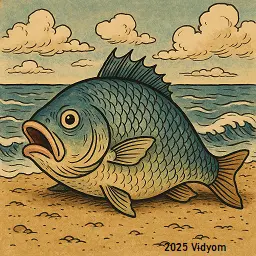
Can fish live outside water?
52
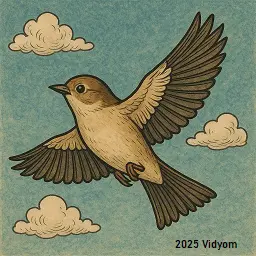
Do birds have wings?
53
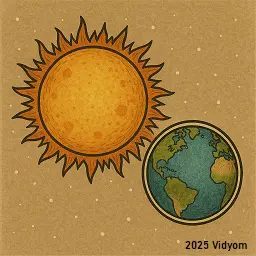
Is the sun smaller than the earth?
54
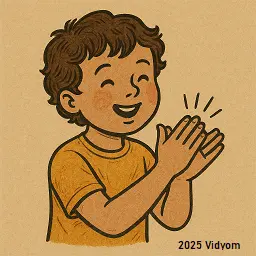
Can you clap your hands?
55
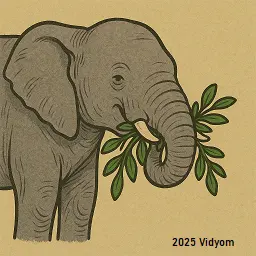
Do elephants eat meat?
56
Do cows give us milk?

57
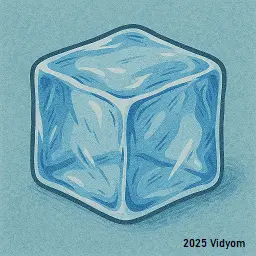
Is ice hot?
58
Do stars shine at night?

59
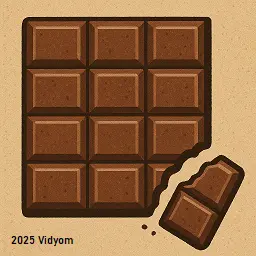
Do you like chocolate?
60
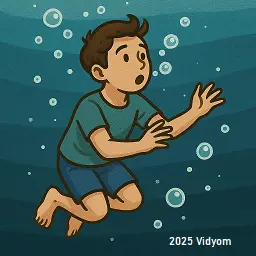
Can humans breathe underwater without help?
Score: 0 / 10
Tips for Parents
First, notice how Lesson 6 mixes nature facts with everyday actions. Next, use the prompts below to turn quick answers into short reasons. Finally, keep sessions cheerful and brief.
What kids learn in Lesson 6
🐟 Water & living
🕊️ Bird body parts
🌞 Big vs small (Sun/Earth)
👏 Motor skills
🐘 Herbivores
🐄 Milk source
🧊 Hot vs cold
✨ Night sky
🍫 Preference words
💬 Because… sentences
🛟 Safety thinking
Key skills, step by step
- First, kids match facts to real life: fish need water; birds have wings; ice is cold.
- Next, they compare sizes (Sun vs. Earth) and groups animals (elephants eat plants).
- Also, they practise movement (clap) and preferences (I like chocolate).
- Meanwhile, they build safety sense: humans can’t breathe underwater without help.
- Therefore, reasoning grows as children add a short because… to explain answers.
Why this lesson matters
Thinking habits that get stronger
- To begin, the routine listen → think → choose → explain becomes automatic.
- Moreover, children separate facts from wishes (can’t breathe underwater, even if we “want”).
- As a result, vocabulary grows: wings, herbivore, shadow, surface, underwater.
- Consequently, confidence rises with instant feedback and quick retries.
Quick support at home
1–2 minute ideas
- Afterward, ask: “Why did you say Yes/No?” Encourage one short because…
- Also, do a mini sort: name two animals—“Who eats plants? Who eats meat?”
- For example, open the freezer: touch ice (briefly) and say “Ice feels cold, not hot.”
- Meanwhile, look at the sky at night and say, “Stars shine. What else do we see?”
- Finally, practise a safe rule: “We cannot breathe underwater without a tube or tank.”
Tip: Keep practice short (5–7 minutes), positive, and regular.
Signs of progress
What improvement looks like
- Over time, your child uses reasons: “No—fish need water to live.”
- Soon, new words appear in daily talk: wings, underwater, cold, herbivore.
- Eventually, they apply rules to new cases: “We need air, so we can’t breathe under water.”

📲 Download VIDYOM App
Fun & interactive Kids Learning App! Install now and don’t forget to ⭐ rate us on Google Play.
Frequently Asked Questions
Quick help for parents and teachers using yes or no questions for kids lesson 6 with audio and pictures.
1) How do kids play Yes or No Questions for Kids Lesson 6?
Tap Play Question, listen carefully, look at the picture, and choose Yes or No.
The score updates after each answer.
2) What age group is Lesson 6 best for?
Lesson 6 is ideal for Pre-KG, LKG, UKG and early primary kids (Class 1–2) who are learning English with audio support.
3) What skills does this lesson improve?
It improves listening, reasoning, and vocabulary. Kids also practise quick decision-making and confidence.
4) Why is the “Do you like chocolate?” question marked as either?
Some questions are about personal preference. So Yes or No can both be correct if the child answers honestly.
5) What can parents do after the quiz (1–2 minutes)?
Ask one simple follow-up: “Why did you choose Yes/No?” Encourage a short because… sentence.
Then repeat 2 questions tomorrow for quick revision.
6) What if audio does not play?
Check internet and volume, then refresh once. If needed, try another browser.
The quiz still works with text and pictures even if audio loads slowly.