YES OR NO QUESTIONS FOR KIDS – LESSON 7
Welcome to yes or no questions for kids lesson 7—a fun yes/no quiz for kids with audio and pictures. Kids listen, think, and answer fast to build strong listening, reasoning, and vocabulary skills—perfect for Pre-KG, LKG, UKG & Class 1–2.
61
Can you see with your eyes?

62
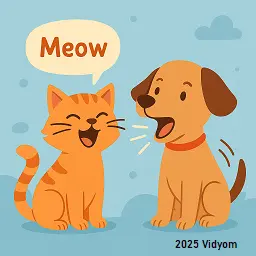
Do cats bark like dogs?
63
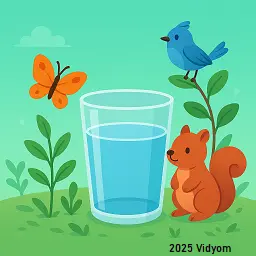
Is water important for life?
64
Can humans fly without machines?

65
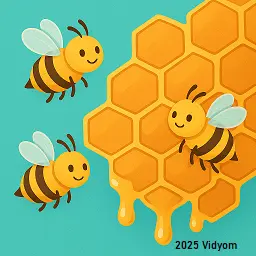
Do bees make honey?
66
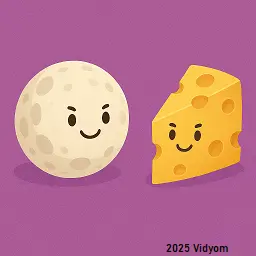
Is the moon made of cheese?
67
Do trees give us oxygen?

68
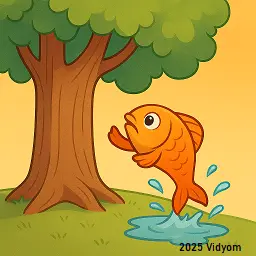
Can fish climb trees?
69
Is the sky blue during the day?

70
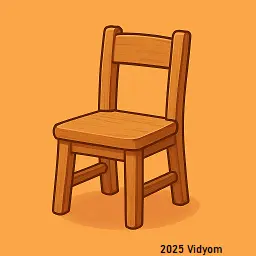
Do chairs usually walk?
Score: 0 / 10
Tips for Parents
First, Lesson 7 blends science facts with everyday logic (eyes see; chairs don’t walk). Next, invite short “because…” reasons after each answer. Finally, keep practice brief, fun, and regular.
What kids learn in Lesson 7
👀 Senses (eyes)
🐱/🐶 Animal sounds
💧 Water is essential
✈️ Humans need machines to fly
🐝 Honey from bees
🌙 Myths vs facts
🌳 Trees & oxygen
🐟 Habitats
☀️ Day sky color
🧠 Logic & reasoning
💬 Because… sentences
Key skills, step by step
- First, children match facts to reality: eyes help us see; cats meow; chairs don’t walk.
- Next, they link nature ideas: water supports life; trees release oxygen; bees make honey.
- Also, they sort possible vs. impossible (humans can’t fly without machines; fish can’t climb trees).
- Meanwhile, they correct myths (the moon isn’t cheese) and name everyday observations (blue daytime sky).
- Therefore, reasoning grows as kids add a short because… to explain choices.
Why this lesson matters
Thinking habits that get stronger
- To begin, the routine listen → think → choose → explain becomes automatic.
- Moreover, kids separate facts from jokes or wishes (moon ≠ cheese; chairs don’t walk).
- As a result, vocabulary expands: oxygen, habitat, sense, machine, myth.
- Consequently, confidence rises through quick feedback and calm retries.
Quick support at home
1–2 minute ideas
- Afterward, ask: “Why did you say Yes/No?” One short because… is enough.
- Also, try a mini sort: “Who makes honey—bees or cats?” (Sort two pictures or toys.)
- For example, breathe in near a plant and say, “Trees help give us fresh air.”
- Meanwhile, look at the daytime sky together: “What color do you see today?”
- Finally, practise safety logic: “We need a machine (plane) to fly.”
Tip: Keep sessions short (5–7 minutes), positive, and consistent.
Signs of progress
What improvement looks like
- Over time, your child explains: “No—fish can’t climb trees because they live in water.”
- Soon, new words appear naturally: oxygen, sense, habitat, myth.
- Eventually, they apply rules to new cases: “People can’t fly alone; we need a machine.”

📲 Download VIDYOM App
Fun & interactive Kids Learning App! Install now and don’t forget to ⭐ rate us on Google Play.
Frequently Asked Questions
Quick help for parents and teachers using yes or no questions for kids lesson 7 with audio and pictures.
1) How do kids play Yes or No Questions for Kids Lesson 7?
Tap Play Question, listen carefully, look at the picture, and choose Yes or No.
The score updates after each answer.
2) What age group is Lesson 7 best for?
Lesson 7 is great for Pre-KG, LKG, UKG, and early primary children (Class 1–2) who are learning English with simple audio support.
3) What skills does Lesson 7 improve?
It strengthens listening, reasoning, and everyday vocabulary.
Kids also practise quick decision-making in a friendly yes/no quiz for kids.
4) Why are there “myth” questions like “moon made of cheese”?
These questions help children learn fact vs. joke. Kids understand what is real (moon is rock) and what is only a funny story.
5) How can parents help after the quiz?
Ask one simple follow-up: “Why did you choose Yes/No?” A short because… answer builds stronger thinking and speaking skills.
6) What if the audio does not play?
Check internet and volume, then refresh once. If needed, try another browser. The quiz still works with text and pictures even if audio loads slowly.