YES OR NO QUESTIONS FOR KIDS – LESSON 9
Welcome to yes or no questions for kids lesson 9—a fun yes/no quiz with audio and pictures. Kids listen carefully, think fast, and answer with confidence. As a result, they improve listening, reasoning, and daily vocabulary—ideal for Pre-KG, LKG, UKG & Class 1–2.



Tips for Parents
First, present Lesson 9 as a fun facts game. Next, after each Yes/No answer, invite one short “because…” reason. Additionally, celebrate effort, not just correct answers. Finally, revisit tricky items tomorrow to strengthen memory.
What your child learns in Lesson 9
Core facts and concepts
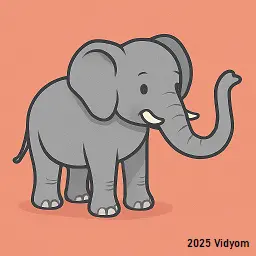
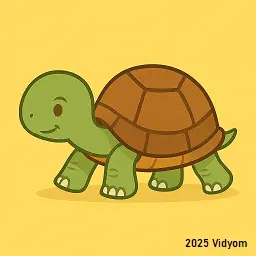
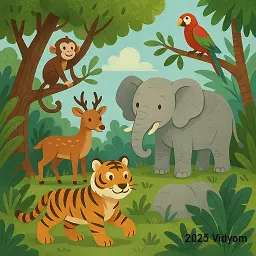
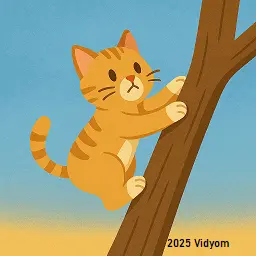
- First, animal facts: elephants have trunks, turtles move slowly, and cats can climb trees.
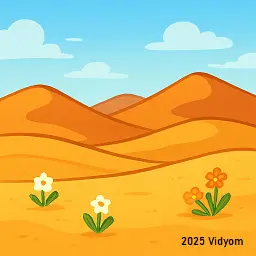
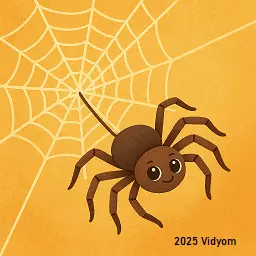
- Moreover, nature facts: flowers can grow even in deserts, and spiders spin webs.
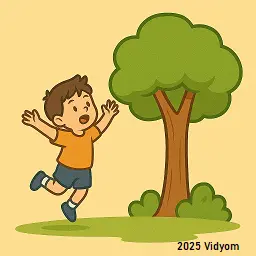
- Additionally, clear thinking: you can’t jump higher than a tree, and water appears clear (not truly blue).
- Finally, space idea: stars don’t “fall”—we see meteors (space rocks) burning in the sky.
Thinking and language
- Meanwhile, children practise the routine listen → think → choose → explain.
- Consequently, “because…” sentences become clearer and more factual.
- Therefore, confidence grows with instant, gentle feedback.
How this lesson builds thinking
Reasoning, not guessing
- To begin, ask: “Which clue helped you—picture or words?”
- In addition, separate facts (e.g., “spiders spin webs”) from opinions (e.g., “chocolate tastes best”).
Vocabulary growth
- Furthermore, use new words in talk: trunk, desert, meteor, web.
- For instance, say: “A meteor looks like a falling star; however, it’s a rock burning in the sky.”
Simple support at home (1–2 minutes)
Quick prompts
- Afterward, ask: “Why did you say Yes/No?” Encourage one short because….
- Also, mini-sort: “Which animal spins a web—spider or turtle?”
- For example, ask outside: “Can we jump higher than that tree? Why not?”
Action & observation
- Meanwhile, spot nature: “Do tiny flowers grow in dry places sometimes?”
- Finally, taste word link: “Chocolate is sweet; therefore, we use ‘sweet’ to describe its taste.”
Signs of progress
What to notice
- Over time, your child explains: “No, we can’t jump higher than a tree because trees are very tall.”
- Soon, new words appear naturally: trunk, web, desert.
- Eventually, facts transfer: “Water looks clear; therefore, we say it isn’t really blue.”

📲 Download VIDYOM App
Fun & interactive Kids Learning App! Install now and don’t forget to ⭐ rate us on Google Play.
Frequently Asked Questions
Helpful answers for parents and teachers using yes or no questions for kids lesson 9 with audio and pictures.