🎨 Colors for Kids – Lesson 2: Colors 11–20
Welcome to Colors for Kids Lesson 2 — ten new colors (11–20) with pictures and sound. This lesson helps children learn color names for kids with audio in a simple, fun way.
Transcript
Welcome, friends! In this lesson you will learn new colors for kids — tap Play, listen carefully, repeat the color name, then scroll down to see the next colour.
🧡 Coral

💡 Coral is a pinkish-orange color named after sea corals.
Transcript
This is coral colour.
🦚 Teal

💡 Teal mixes blue and green — like a peacock feather.
Transcript
This is teal colour.
🩷 Light Pink

💡 Light pink is a soft red — think of cherry blossoms.
Transcript
This is light pink colour.
🩵 Light Blue

💡 Light blue looks like the daytime sky.
Transcript
This is light blue colour.
🟪 Indigo

💡 Indigo sits between blue and violet in the rainbow.
Transcript
This is indigo colour.
🧁 Lavender
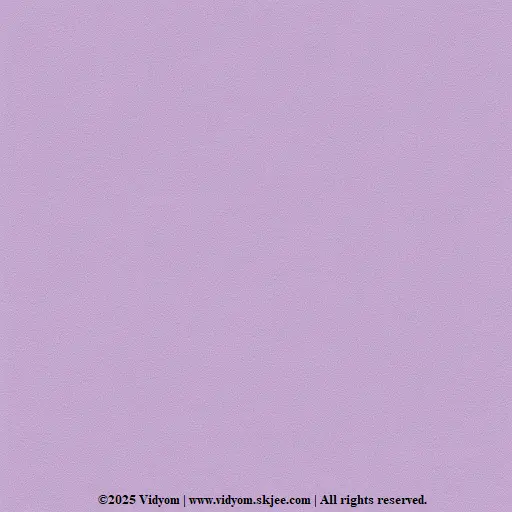
💡 Lavender is a gentle purple — like its fragrant flower.
Transcript
This is lavender colour.
🌿 Lime
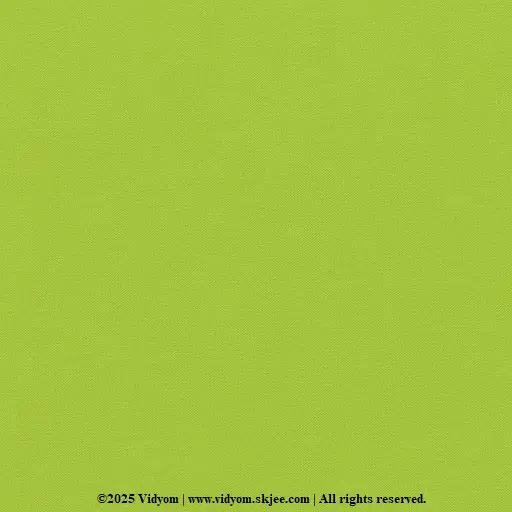
💡 Lime is bright green — like the zesty fruit.
Transcript
This is lime colour.
🍫 Chocolate
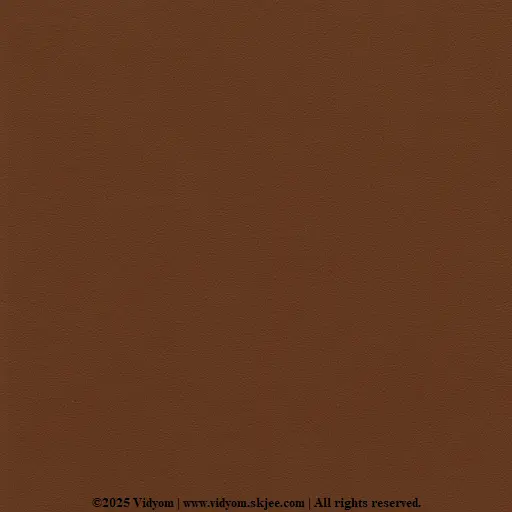
💡 Chocolate is a rich brown — like cocoa beans.
Transcript
This is chocolate colour.
🧊 Cyan

💡 Cyan is a bright blue-green used in printers (CMYK).
Transcript
This is cyan colour.
🌰 Maroon

💡 Maroon is dark red-brown — like chestnuts.
Transcript
This is maroon colour.
Colors for Kids Lesson 2 - Color Mixing Formulas
Easy formulas to show how each colour in this lesson is made. Great for paint, crayons or craft time.
Read it together like “Chocolate equals Red + Yellow + Blue”.- 🟠 Coral = Orange + Red + White
- 🔵 Teal = Blue + Green (+ tiny Black)
- 🔴 Light Pink = Red + Lots of White
- 🔵 Light Blue = Blue + White
- 🟣 Indigo = Blue + Purple (+ tiny Black)
- 🟣 Lavender = Purple + White
- 🟢 Lime = Yellow + Green
- 🟤 Chocolate = Red + Yellow + Blue
- 🔵 Cyan = Blue + Green + White
- 🟤 Maroon = Red + Black / Brown
Colors for Kids - Lesson 2 – Color Names 11–20
Quick recap of all ten colours from this lesson with simple, kid-friendly meanings.
Audio, pictures & easy explanations for kidsIn Colors for Kids Lesson 2, children first learn ten new color names with audio and pictures: coral, teal, light pink, light blue, indigo, lavender, lime, chocolate, cyan and maroon. Then, as they listen and repeat, they begin to connect each colour name with a clear picture in their mind. Overall, this lesson is perfect for preschool and kindergarten kids who want to practise color names for kids with audio in a fun and gentle way.
- 🟠 Coral – a pinkish-orange color, for example, named after sea corals.
- 🔵 Teal – a mix of blue and green, rather like a peacock feather.
- 🔴 Light Pink – a soft red, just like cherry blossoms.
- 🔵 Light Blue – a gentle sky-blue color, especially on clear days.
- 🟣 Indigo – a deep color between blue and violet in the rainbow.
- 🟣 Lavender – a light purple shade, similar to the lavender flower.
- 🟢 Lime – a bright green, just like the lime fruit.
- 🟤 Chocolate – a rich brown, for instance, like cocoa and chocolate bars.
- 🔵 Cyan – a bright blue-green often used in printer colors (CMYK).
- 🟤 Maroon – a dark red-brown, for example, like chestnuts.
Colors for Kids - Lesson 2 - How to Make These Colors
In Colors for Kids Lesson 2, children can also discover how each colour is mixed using simple paints, crayons or colour pencils. This way, they do not only say the colour names, but also see how the colours are created.
Try these combinations at home or in class!Coral
First, start with orange, then add a little red and a touch of white. In the end, it turns into a soft pink–orange colour called coral.
Orange + Red + WhiteTeal
Next, mix blue and green together. Then add a tiny bit of black to make it deeper. That cool blue–green colour you see is teal.
Blue + Green (+ tiny Black)Light Pink
Then, take a little red and mix in lots of white. The more white you add, the softer and lighter the pink becomes.
Red + Lots of WhiteLight Blue
After that, use blue and add plenty of white. Gradually, it turns into a gentle sky colour called light blue.
Blue + WhiteIndigo
For a darker shade, mix blue with a bit of purple (violet). Then add just a tiny touch of black to make it dark like the night sky.
Blue + Purple (+ tiny Black)Lavender
Similarly, start with purple and mix in white. Soon, it becomes a soft, gentle purple called lavender.
Purple + WhiteLime
Now, mix yellow and green together. Use more yellow to keep it bright and fresh, just like a lime fruit.
Yellow + GreenChocolate
To make brown, mix red, yellow and blue. Afterwards, add a little extra red or black to make it look like chocolate.
Red + Yellow + BlueCyan
For a bright blue–green, mix blue and green, then add some white to keep it light. This light blue–green colour is called cyan.
Blue + Green + WhiteMaroon
Finally, start with red and add a small amount of black or brown. As a result, it becomes a dark red colour called maroon.
Red + Black/BrownWhy Colors Matter for Young Children
Colors for Kids - Lesson 2-Parent Guide
Ideas for teaching colors at home and in class🎯 Why teaching colors is important
- Language growth: First, color words help children describe things better – “ball” becomes “red ball” or “blue ball”, so their sentences become richer.
- Observation skills: Next, looking for colours makes kids notice shapes, sizes and small details around them that they might otherwise miss.
- Early math thinking: Also, sorting toys or blocks by colour builds grouping, comparing and counting skills in a simple, hands-on way.
- Creativity & confidence: Finally, using many colours in drawing and craft activities lets children express feelings and ideas, which builds confidence.
🧩 Simple ways to teach colors for kids
- Use everyday objects: To begin with, talk about colours when you see clothes, toys, fruits or vehicles. For example, you can say, “This is a yellow bus.”
- Focus on 1–2 colours: At first, choose just one or two colours. For a few days, repeat the same colours in short, happy practice times instead of long lessons.
- Play “find the colour”: Then play simple games. Ask, “Can you find something green in this room?” Let your child look, point and name it.
- Add movement: After that, add movement to keep things fun. Put coloured paper on the floor and say, “Jump on blue!” or “Touch the pink colour.”
- Use the audio in this lesson: Finally, use technology to help. First listen to the colour name, then repeat it together and, in the end, find the same colour in real objects around you.
Overall, short, fun practice works best for preschoolers. You can revisit this page as a small “colors for kids lesson” every few days so your child gradually remembers and uses the new colour names.
Watch & Learn
Colors for Kids - Lesson 2 – 10 Fun Shades
First, watch this simple video to explore 10 special colors like coral, teal, lavender, chocolate and more. Then scroll down to practice each color with pictures and examples.
💡 Tip for parents & teachers: Let kids watch the full video once. On the second time, pause on each color and ask them to say the name and example aloud.
Colors for Kids - Lesson 2 – Parent FAQ
Short answers to common questions parents ask about teaching colour names for kids with audio.
Preschool colors • simple answers • quick tipsGetting started – basic parent questions
-
How do I teach my 3-year-old colors at home?
First, choose just a few colours and keep it playful. Next, show an object, tap the audio in this colors for kids lesson and say the colour together. Then let your child look around and point or touch other things with the same colour so learning feels natural.
-
Which colors should my child learn after basic colors?
After basic colours like red, blue, green and yellow, children can move on to extra shades. In this lesson, they learn coral, teal, light pink, light blue, indigo, lavender, lime, chocolate, cyan and maroon. In this way, they slowly build a richer colour vocabulary.
-
When should a child know basic colors?
At first, many children start naming a few colours around ages 2½ to 3. Later, by about 4 years, most kids can recognise and say the main colours. This lesson then helps them go beyond the basics by adding more colour names in a gentle way.
Next steps – extra colour questions
-
How can I use audio to teach color names for kids?
First, let your child tap the Play button and listen once. Then ask them to repeat the colour name two or three times with you. Finally, show real objects with the same colour. This step-by-step routine makes color names for kids with audio clear and easy to remember.
-
How do I explain color mixing to young children?
Start with simple examples. For example, you can say “yellow and blue make green” or “red and white make pink”. In this lesson, the color mixing guide also shows easy formulas for colours like teal, coral and lavender, so children can try them with paints, crayons or colour pencils.
-
How many colors should preschoolers know before Class 1?
Ideally, preschoolers should first know the main basic colours and then a few extra shades. Learning the 20 colour names from Colors for Kids Lesson 1 and Lesson 2 gives them a strong base. As a result, drawing, craft and early reading activities become easier and more fun.

📲 Download VIDYOM App
Fun & interactive Kids Learning App! Install now and don’t forget to ⭐ rate us on Google Play.