
Colors for Kids – Learn Colors 1 to 10
Welcome to Colors for Kids — a fun first step to learn the first ten colors with pictures and sound. This lesson helps children learn color names with audio in a simple way. First, children can look at each picture. Next, they can tap the play button, listen carefully, and repeat the color name. This makes color learning easier for preschool, LKG, and UKG children.
Transcript
Welcome, friends! In this lesson you will learn basic colors for kids. Tap Play, listen carefully, repeat the color name, then scroll down to see the next color.
Colors for Kids – Basic Color Cards
Tap each card to hear the color name, read the short fact, and repeat the word clearly.
Red

Red grabs attention. Stop signs and traffic lights use red for STOP.
Transcript
This is red color.
Blue

Blue skies and oceans make blue a calm favorite.
Transcript
This is blue color.
Yellow

Yellow is bright like sunshine. Taxis and school buses often use yellow.
Transcript
This is yellow color.
Green

Green means GO on traffic lights and colors many leaves.
Transcript
This is green color.
Black

Black absorbs more sunlight and heat than light colors.
Transcript
This is black color.
White

White light can split into rainbow colors with a prism.
Transcript
This is white color.
Purple

Purple was rare long ago, so royalty often wore it.
Transcript
This is purple color.
Orange
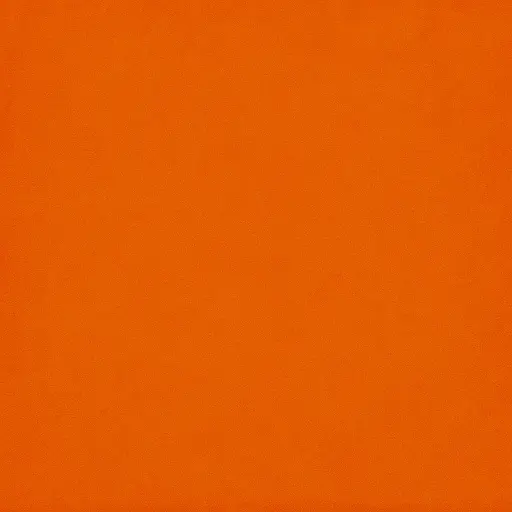
The color orange is named after the fruit.
Transcript
This is orange color.
Brown
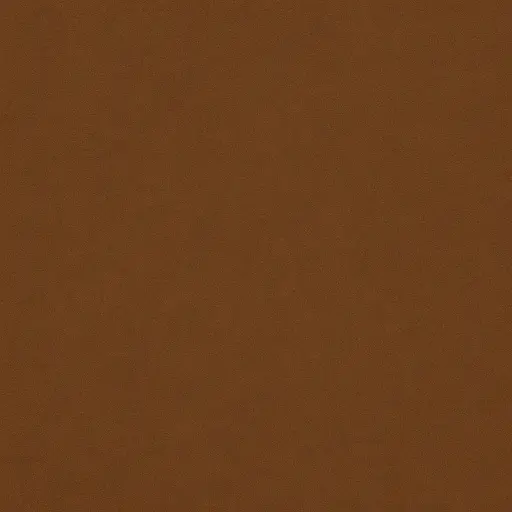
Brown is the color of soil that helps plants grow.
Transcript
This is brown color.
Pink
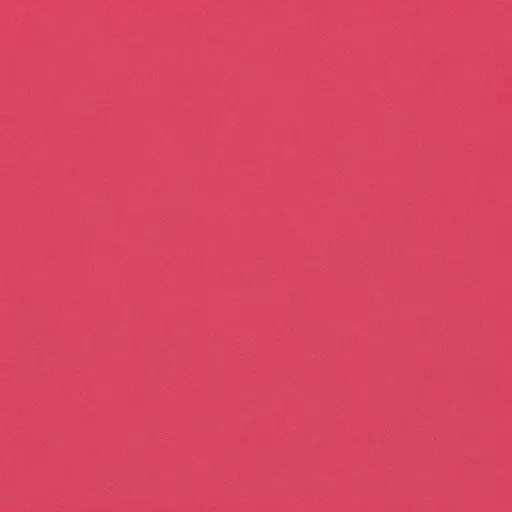
Flamingos look pink because of the food they eat.
Transcript
This is pink color.
Colors for Kids – Continue Learning
Color Mixing Chart for Colors for Kids
First, children learn basic colors for kids. Then, this simple color mixing chart shows how some colours are used alone and how some colours can be made by mixing paints.
Read it like “Pink equals Red plus White”, then try it with safe real paints.- Red = First, use red as a strong primary colour.
- Blue = Next, use blue alone, or add white for light blue.
- Yellow = Then, use bright yellow or mix it later with red or blue.
- Green = Green = Blue + Yellow. Mix slowly until it looks like leaves.
- Black = After that, show black: black paint, or red + blue + yellow.
- White = White lightens any colour. Add white to make soft tints.
- Purple = Purple = Red + Blue. Add white if you want lighter purple.
- Orange = Orange = Red + Yellow. Start with yellow, then stir in red.
- Brown = Brown = Red + Yellow + Blue. Add blue gently until it turns brown.
- Pink = Finally, Pink = Red + White. Use little red and more white.
Colors for Kids – Practice Color Mixing with Real Objects
Colors for Kids – Color Names 1 to 10
A quick recap of the first ten colours children learned with audio, pictures, and simple examples.
Audio • pictures • simple meaningsIn Colors for Kids, children first meet ten basic colour names with audio and pictures: red, blue, yellow, green, black, white, purple, orange, brown, and pink. First, they tap Play to hear the colour name clearly. Next, they repeat it while looking at the picture. Finally, they begin to spot the same colours on toys, clothes, books, and things around them. Overall, this short lesson gently introduces color names for kids with audio.
- Red – a bright colour, for example, seen in apples and stop signs.
- Blue – a calm colour, usually seen in the sky and sea.
- Yellow – a sunny colour, especially like the sun and bananas.
- Green – a fresh colour, just like leaves and grass.
- Black – a dark colour, often used for night skies or shadows.
- White – a clean colour, for example, clouds and plain paper.
- Purple – a royal colour, often linked to flowers and crowns.
- Orange – a warm colour, just like the orange fruit.
- Brown – an earth colour, for example, soil and tree trunks.
- Pink – a soft colour, often seen in flowers and sweets.
How to Make These Colors for Kids
In Colors for Kids, children first learn the basic colour names. Then, this simple color mixing guide shows how some of those colours can be used or created with paints, crayons, or colour pencils. Step by step, they also see how colours change when we mix them, which makes the idea of color mixing easier to understand.
Try these combinations at home or in class!Red
First, show red by itself. You can say that red is a strong primary colour that we often use before mixing new colours like orange or purple.
Red (primary colour)Blue
Next, take blue. It is another primary colour. Later, when you mix blue with yellow, it helps you make green, and with red, it helps you make purple.
Blue (primary colour)Yellow
Then, show bright yellow. It is the third primary colour. When you mix yellow with red or blue, new colours begin to appear and children see how quickly the paint changes.
Yellow (primary colour)Green
Now, make green by mixing blue + yellow. Mix slowly and let children notice how the colour moves from yellow to a fresh leaf green.
Blue + YellowBlack
After that, show black. You can use ready-made black paint, or explain that mixing many dark colours together can also slowly move towards black.
Ready-made black / dark mixWhite
Then, introduce white. White does not make new colours on its own, but it gently lightens any colour; as a result, it turns strong shades into soft tints.
White + any colour (tint)Purple
Next, make purple by mixing red + blue. You can add a little white afterwards to make a lighter, softer purple for kids to enjoy.
Red + Blue (+ White)Orange
To create orange, start with yellow and slowly add red. As you mix, children can clearly see it change from yellow to orange.
Yellow + RedBrown
For brown, mix red + yellow + blue. Add the colours little by little until it looks like soil or tree trunks, so children can connect it to nature.
Red + Yellow + BluePink
Finally, make pink by taking a small amount of red and mixing in more white. The more white you add, the lighter it becomes, just like soft cherry blossom petals.
Red + WhiteColors for Kids – Why Colors Matter for Young Children
Parent guide for Colors for Kids with simple ideas to teach basic colours at home.
Step-by-step ideas for teaching basic colorsWhy teaching colors is important
- Language growth: First, color words turn “ball” into “red ball” or “blue ball”, so sentences slowly become richer.
- Observation skills: Next, looking for colours makes kids notice shapes, sizes, and tiny details around them.
- Early math thinking: Then, sorting toys or blocks by colour builds grouping and counting skills in a simple, hands-on way.
- Creativity and confidence: Finally, using many colours in drawing and craft lets children express feelings, and their confidence gently grows.
Simple ways to teach colors for kids
- Use everyday objects: To start, talk about colours when you see clothes, toys, fruits, or vehicles; for example, say “yellow bus” or “red apple”.
- Focus on 1 or 2 colours: At first, pick one or two basic colours from this Colors for Kids page and repeat them in short, happy practice times.
- Play “find the colour”: Then ask, “Can you find something green in this room?” and let your child look, point, and name it.
- Use the audio in this lesson: Finally, first listen to the colour name with the audio button, then repeat it together and find the same colour on real objects around you.
Overall, short and cheerful practice works best for preschoolers. You can return to this Colors for Kids page many times so your child gradually recognises and uses the new colour names in everyday talk.


Colors for Kids – Trusted Learning Sources
Colors for Kids – Learn with a Fun Video
Watch this simple video to learn color names. Then scroll down to practise each color with pictures and audio.
How Parents Can Use This Color Video
Tip for parents and teachers: Let kids watch once. Then replay, pause on each color, and ask them to repeat the name.
Colors for Kids – Parent FAQ
Short answers to common parent questions about colour names, audio practice, and next steps.
How do I start teaching basic colors at home?
Which basic colors should my child learn first?
At what age should kids start learning colors?
How do I use the audio in Colors for Kids?
Can my child practise colors without worksheets or printing?
What should my child learn after finishing these colors?
📲 Download Vidyom – Kids Learning App
Enjoy safe and distraction-free learning for kids. Install the Vidyom app now for an ad-free experience, fun lessons, and interactive activities.