
Facial Expressions for Kids – Tap and Feel
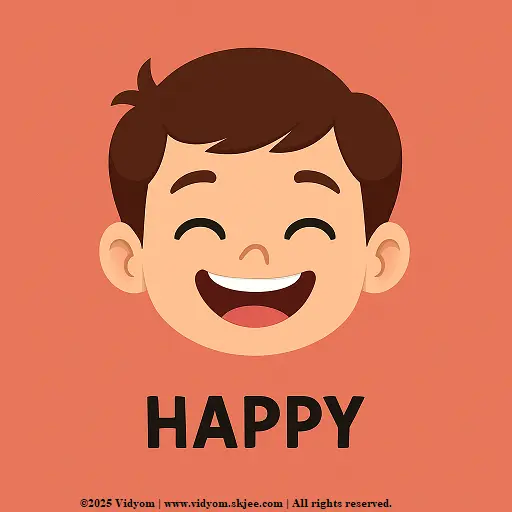
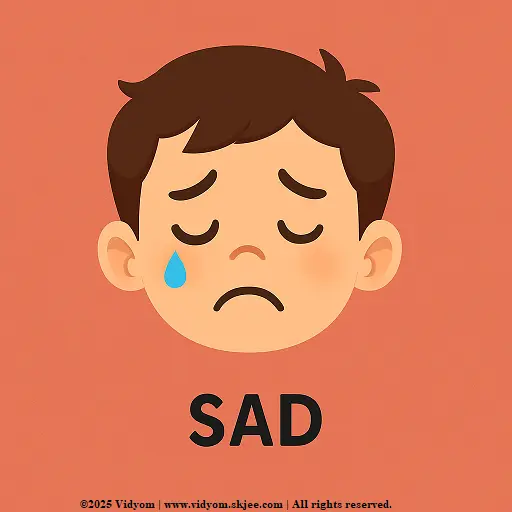
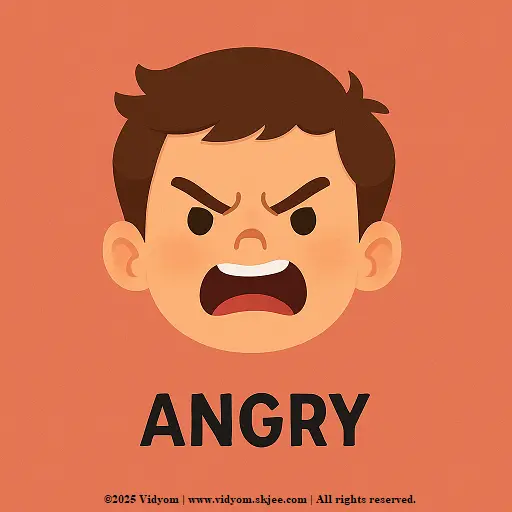
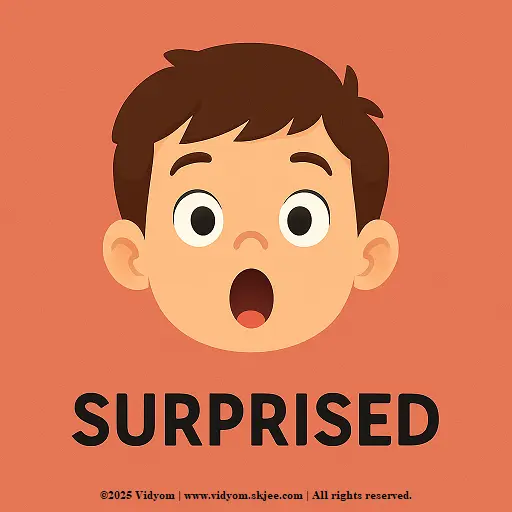
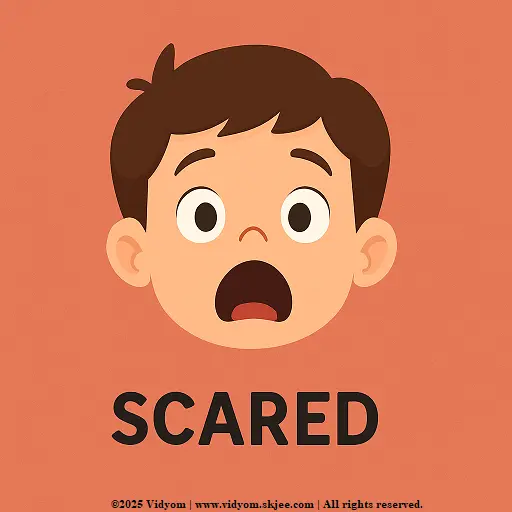
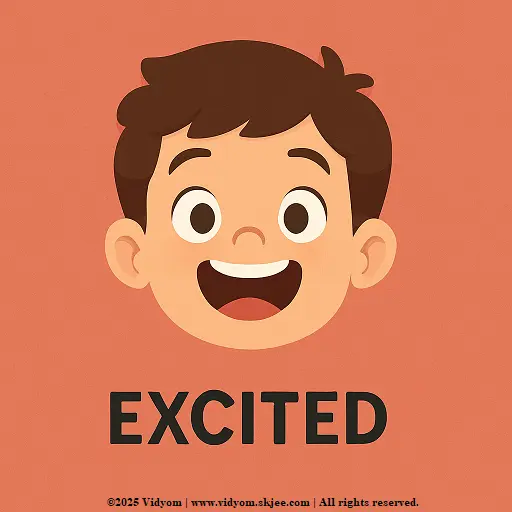
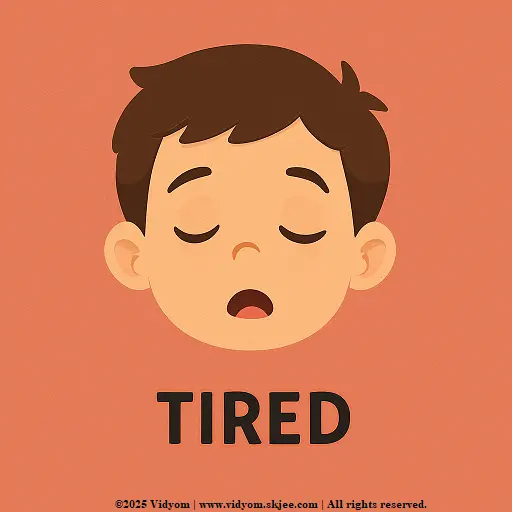
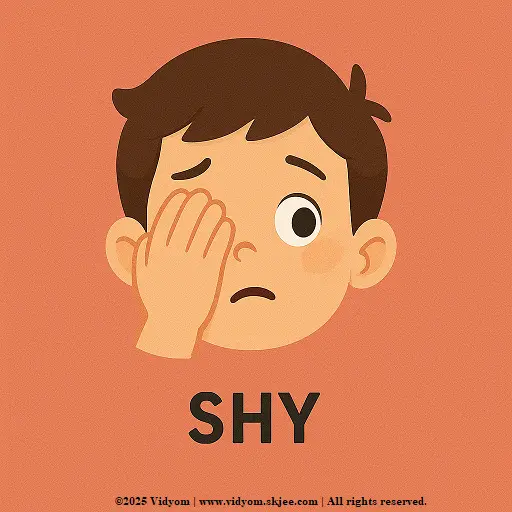
Welcome to a fun page on facial expressions for kids. Here children can see cute emotion faces such as happy, sad, angry, surprised, scared, excited, tired, shy, confused and silly. They tap the play button, listen to the feeling name and repeat. It is an easy way to learn feelings and expressions using pictures, audio and short sentences, so young learners can understand different moods on a face.
Facial Expressions for Kids – Tap to Learn
Look at each feeling face, tap the play button, and say the expression name aloud. This simple practice helps children understand emotion faces for kids through pictures, sound, and short child-friendly sentences.
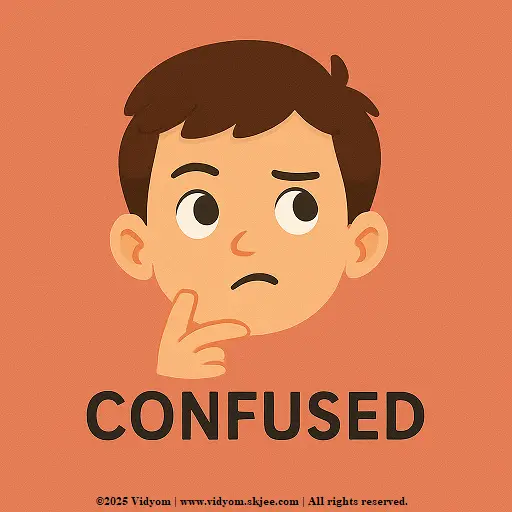
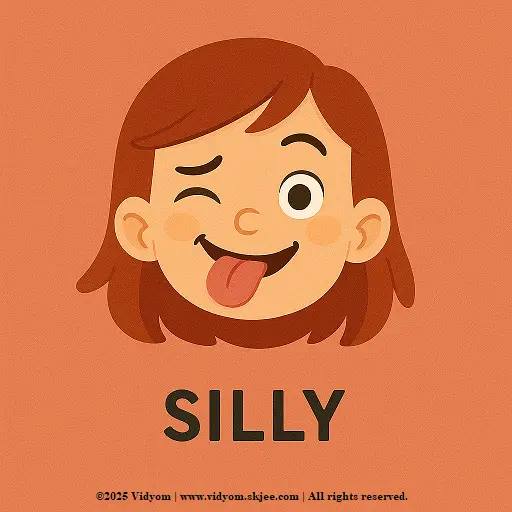

Facial Expressions Words List for Kids
This facial expressions for kids word list helps children revise each feeling name with a simple meaning and one easy sentence. Parents and teachers can use it for quick reading, speaking practice, and daily emotion talk.
Swipe left to see the full table.
| Expression Word | Simple Meaning | Easy Sentence for Kids |
|---|---|---|
| Happy | I feel good or joyful. | I feel happy when I play with my friends. |
| Sad | I feel low or unhappy. | I feel sad when my toy breaks. |
| Angry | I feel upset or mad. | I feel angry when someone pushes me. |
| Surprised | I see something unexpected. | I feel surprised when I get a gift. |
| Scared | I feel afraid or worried. | I feel scared when I hear a loud sound. |
| Excited | I feel very happy and full of energy. | I feel excited before a picnic. |
| Tired | I need rest or sleep. | I feel tired after running and playing. |
| Shy | I feel quiet around others. | I feel shy when I meet new people. |
| Confused | I do not understand clearly. | I feel confused when I do not know the answer. |
| Silly | I feel funny and playful. | I make a silly face to make my friends laugh. |
Quick Practice Tip
Ask your child to choose one word from the table and say one sentence about it. For example: “I feel happy when I draw.” This builds speaking confidence and helps children understand emotions in real life.
Why Learning Emotions Is Important
When children learn facial expressions for kids, they slowly understand what different feelings look like on the face. They can match the picture, the word, and the sound, so it becomes easier to talk about how they feel during the day.
Strong feelings and expressions skills help children in school, at home, and on the playground. Kids who can name happy, sad, angry, or scared are more likely to ask for help, calm down faster, and be kind to friends.
Learning emotions supports your child by:
- Building language to say, "I feel happy" or "I feel upset".
- Understanding other people's faces and reacting gently.
- Reducing tantrums because they can explain their feelings.
- Making it easier for teachers and parents to guide them.
Parent and Teacher Tips
Use this facial expressions for kids lesson slowly and playfully. First, show one expression card and ask the child to look at the eyes, mouth, and face shape. Next, tap the audio and let the child repeat the word. Do not force perfect pronunciation. A small try is also progress. Then connect the feeling with real life, such as “I feel happy when I play” or “I feel sad when I miss my friend.” In class, teachers can use one card during circle time, story time, or a calm corner activity. At home, parents can revise two or three feelings daily. Always praise the child for naming a feeling. This builds confidence, speaking skills, kindness, and better emotional understanding.
- Start Small Teach only two or three expressions at a time.
- Use Real Moments Talk about feelings during play, story time, or daily routines.
- Repeat Kindly Let children hear and say the same emotion word many times.
- Praise Effort Encourage every small answer, even if the child speaks slowly.
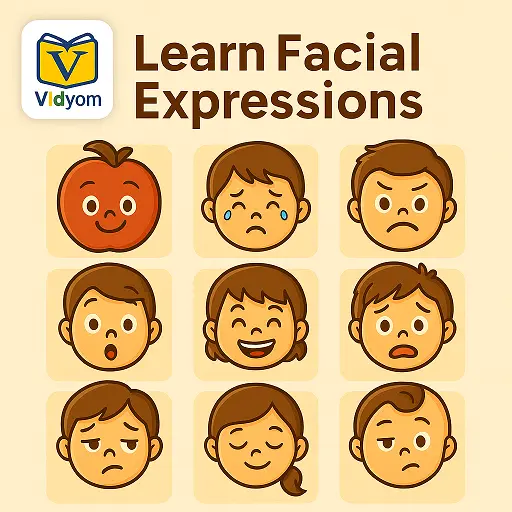
Facial Expressions – FAQ for Parents and Teachers
These short questions help you use this page on facial expressions for kids. Read them quickly and try the ideas with your child or students.
What are facial expressions for kids?
Why should children learn emotions early?
How can parents use this lesson at home?
From what age can kids start?
Can this help with speech delay?
How can teachers use these cards in class?
📲 Download Vidyom – Kids Learning App
Enjoy safe and distraction-free learning for kids. Install the Vidyom app now for an ad-free experience, fun lessons, and interactive activities.