YES OR NO QUESTIONS FOR KIDS – LESSON 2
Welcome to yes or no questions for kids lesson 2—a fun yes/no quiz for kids with audio and pictures. In this lesson, children listen carefully, think fast, and answer with confidence. As a result, they improve listening, reasoning, and daily vocabulary—perfect for Pre-KG, LKG, UKG & Class 1–2.
11
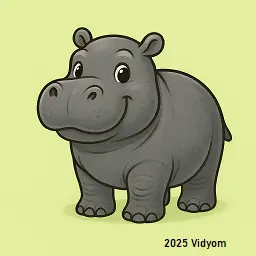
Is a hippopotamus bigger than a car?
12
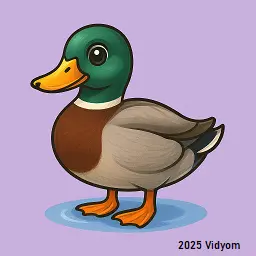
Can birds swim?
13
Do you love stories?

14
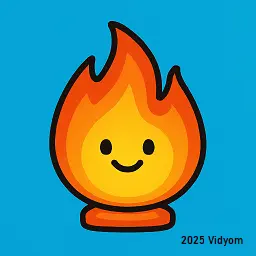
Is fire cold?
15
Can a plane fly in the sky?

16
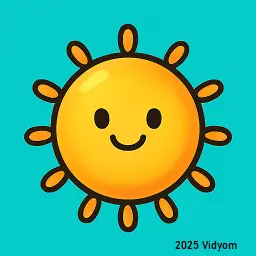
Is the sun hot?
17
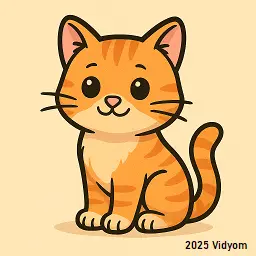
Can a cat bark?
18
Do flowers smell nice?

19
Is snow white?

20
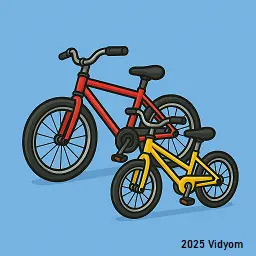
Can you ride a bicycle?
Score: 0 / 10
Tips for Parents
First, see what Lesson 2 adds. Next, try the quick ideas at home. Finally, watch the signs of progress and celebrate small wins.
What kids learn in Lesson 2
🧠 Listening
🔎 Reasoning
📚 Vocabulary
🌍 World knowledge
🔥 Safety sense
🗣️ “Because” sentences
🌟 Confidence
Key skills, step by step
- First, children separate facts from preferences. For example, the sun is hot (fact), while liking stories is a choice.
- Next, they use picture clues and prior knowledge to answer quickly yet calmly.
- Also, they meet simple science ideas: hot vs. cold, bigger vs. smaller, and who can swim.
- Moreover, vocabulary grows with words like fire, airplane, flowers, snow, and bicycle.
- Therefore, instant feedback improves decision-making and confidence.
Why this lesson matters
Thinking habits that get stronger
- To begin, kids practise the routine listen → think → choose → explain.
- In addition, they avoid over-generalising. For instance, some birds swim (ducks), but many do not.
- As a result, cause–effect thinking improves (fire is hot, so we stay safe).
- Consequently, comparisons become clearer (a hippopotamus is not smaller than a car).
Quick support at home
1–2 minute ideas
- Afterward, ask for one reason: “Why did you pick Yes/No?” Encourage a short because… answer.
- Also, try real-life checks: “Is the tea hot?” “Can planes fly?” “Do flowers smell nice?”
- For example, compare a duck and a sparrow. Ask: “Can both swim?” Then discuss the difference.
- Finally, practise safety talk: “Fire is hot—what should we do?” (Stay away. Tell an adult.)
Tip: Keep practice short and positive. End with an easy win.
Signs of progress
What improvement looks like
- Over time, guesses reduce and answers include evidence (“No, because cats meow”).
- Soon, your child corrects earlier ideas (for example, only some birds swim).
- Eventually, new vocabulary appears in daily talk: hot/cold, bigger/smaller, swim/fly, smell.

📲 Download VIDYOM App
Fun & interactive Kids Learning App! Install now and don’t forget to ⭐ rate us on Google Play.
Frequently Asked Questions
Quick answers for parents and teachers using yes or no questions for kids lesson 2 with audio and pictures.
1) How do kids play Yes or No Questions for Kids Lesson 2?
Tap Play Question, listen carefully, look at the picture, and choose Yes or No. Your score updates after each answer.
2) What age group is this lesson best for?
This lesson is great for Pre-KG, LKG, UKG, and early primary learners (Class 1–2) who are building English listening skills.
3) What skills does Lesson 2 improve?
It builds listening, reasoning, and vocabulary. Also, kids learn to answer quickly with confidence in a fun yes/no quiz for kids.
4) Why do some questions accept both Yes and No?
Some questions are about personal choice (for example, liking stories or riding a bicycle). Therefore, either answer can be correct if the child responds honestly.
5) How can parents help in 1–2 minutes?
After the quiz, ask one Why? question. Then repeat 2 questions tomorrow for quick revision and stronger memory.
6) What should we do if the audio does not play?
Check internet and volume. Also refresh once. If needed, try another browser; the questions still work with text and pictures.