YES OR NO QUESTIONS FOR KIDS – LESSON 3
Welcome to yes or no questions for kids lesson 3—a fun yes/no quiz for kids with audio and pictures. In this lesson, children listen carefully, think fast, and answer with confidence. As a result, they improve listening, reasoning, and daily vocabulary—perfect for Pre-KG, LKG, UKG & Class 1–2.

Tips for Parents
First, notice the new ideas in Lesson 3. Next, try the quick home activities. Finally, watch for the signs of progress and celebrate effort.
What kids learn in Lesson 3
Key skills, step by step
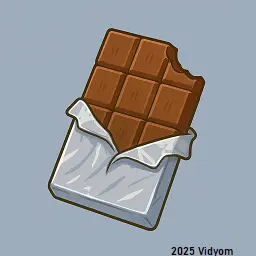
- First, children practise separating facts (trees cannot walk, air cannot be seen) from preferences (liking chocolate or dinosaurs).
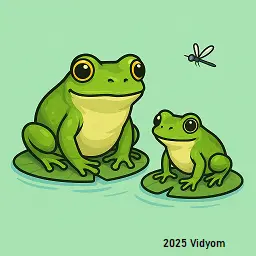
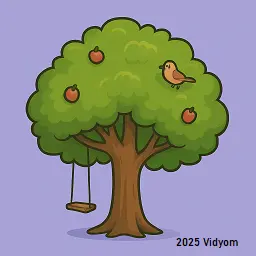
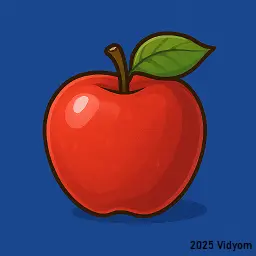
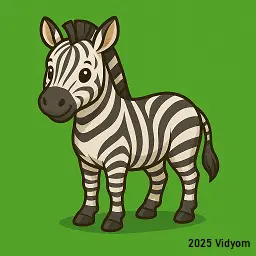
- Next, they connect ideas about animals (frogs live near water, zebras are black and white) and plants (apples grow on trees).
- Also, they build early science understanding: very large things (the ocean), what we see vs. what we feel (air), and what living things can do.
- Moreover, vocabulary grows naturally: frog, ocean, zebra, milk, apples, dinosaurs.
- Therefore, decision-making becomes quicker and explanations become clearer.
Why this lesson matters
Thinking habits that get stronger
- To begin, kids follow the routine listen → think → choose → explain.
- In addition, they compare reality with imagination (cars do not drive themselves; dinosaurs are not alive today, but we can like them).
- As a result, knowledge is organised into groups: animals, plants, things we use.
- Consequently, language becomes more precise (for example, “We cannot see air, but we can feel wind”).
Quick support at home
1–2 minute ideas
- Afterward, ask for one reason: “Why did you choose Yes/No?” Encourage a short because… answer.
- Also, try real-life checks: “Do apples grow on trees?” (Look at a photo.) “Is the ocean big?” (Point on a map.)
- For example, open a window: “Can we see air?” Then wave a paper fan to feel the air moving.
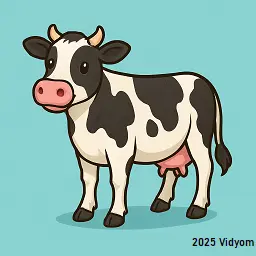
- Finally, talk about animals kindly: frogs need water; cows give milk; zebras have stripes—what makes each special?
Signs of progress
What improvement looks like
- Over time, guesses turn into reasons (“No, trees can’t walk because roots hold them”).
- Soon, your child uses precise words (ocean, stripes, herbivore, breeze) in daily talk.
- Eventually, explanations include contrasts (we cannot see air; however, we can see clouds move and leaves shake).
Frequently Asked Questions
Quick answers for parents and teachers using yes or no questions for kids lesson 3 with audio and pictures.
1) How do kids play Yes or No Questions for Kids Lesson 3?
2) What age group is Lesson 3 best for?
3) What skills does Lesson 3 improve?
4) Why do some questions accept both Yes and No?
5) How can parents help in 1–2 minutes after the quiz?
6) What should we do if the audio does not play?
📲 Download Vidyom - Kids Learning App
Enjoy safe & distraction-free learning for kids. Install the Vidyom app now for an ad-free experience, fun lessons, and interactive activities.