YES OR NO QUESTIONS FOR KIDS – LESSON 5
Welcome to yes or no questions for kids lesson 5—a fun yes/no quiz for kids with audio and pictures. In this lesson, children practise simple science and daily facts (shadow, plants, stars, shapes) while improving listening, reasoning, and confidence—perfect for Pre-KG, LKG, UKG & Class 1–2.
Tips for Parents
First, see how Lesson 5 mixes science ideas (light, plants, insects) with everyday facts. Next, use the quick prompts below to build reasoning. Finally, notice small wins and celebrate effort.
What kids learn in Lesson 5
Key skills, step by step
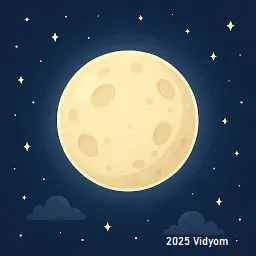
- First, children separate real facts from jokes/myths (the moon isn’t cheese).
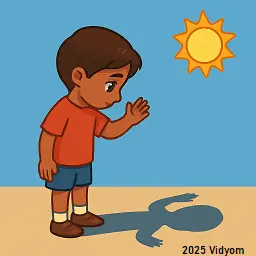
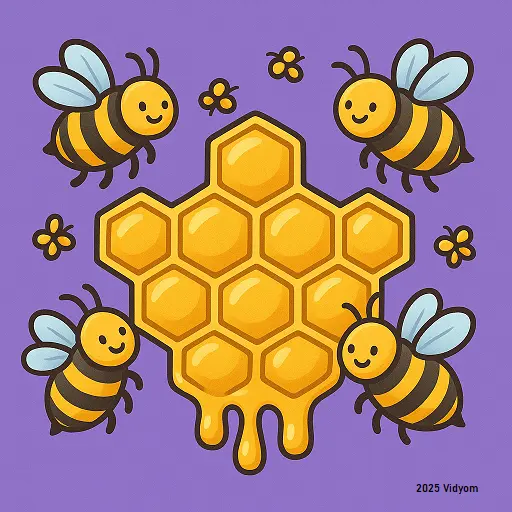
- Next, they connect cause and effect: sunlight → shadow, plants → oxygen, bees → honey.
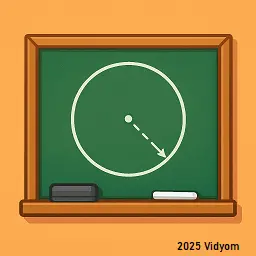
- Also, they meet science words: shadow, oxygen, honeycomb and revise shapes (circle).
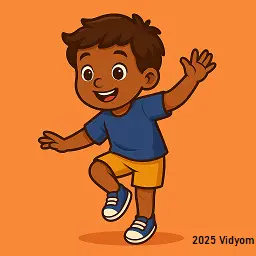
- Moreover, they practise body control with movement prompts (hop on one foot).
- Therefore, reasoning grows as they explain short answers with a because…
Why this lesson matters
Thinking habits that get stronger
- To begin, kids use the routine listen → think → choose → explain.
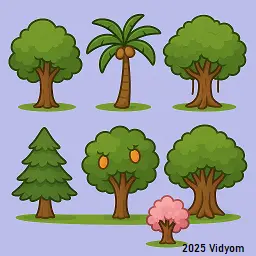
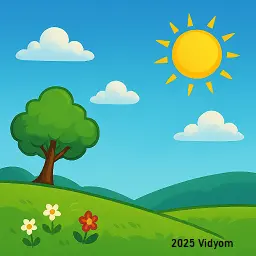
- In addition, they link school science to daily life (trees, bees, sunshine).
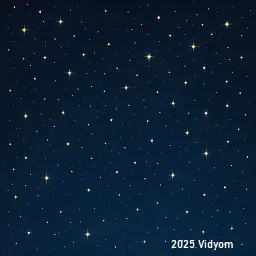
- As a result, they learn to question ideas (Do stars “move,” or does Earth?) and give clear reasons.
- Consequently, confidence rises because quick feedback turns mistakes into learning moments.
Quick support at home
1–2 minute ideas
- Afterward, ask: “Why did you choose Yes/No?” One short because… is enough.
- Also, do a mini shadow hunt: stand near a light, move, and notice how the shadow changes.
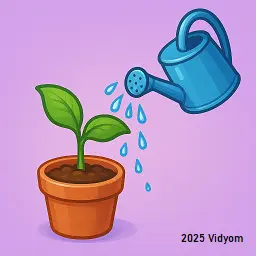
- For example, water a plant and say, “Plants need water and sunlight to grow.”
- Meanwhile, spot shapes at home: “Find a circle (plate/clock). What is not a circle?”
- Finally, watch a 20–30 sec bee clip and ask: “What are bees making?” (Honey!)
Signs of progress
What improvement looks like
- Over time, your child uses evidence (“Yes, trees give oxygen because they make it from air and sunlight”).
- Soon, vocabulary appears in talk: shadow, circle, oxygen, honey.
- Eventually, they self-correct myths and add reasons (“Stars look like they move because Earth turns”).

📲 Download VIDYOM App
Fun & interactive Kids Learning App! Install now and don’t forget to ⭐ rate us on Google Play.
Frequently Asked Questions
Quick help for parents and teachers using yes or no questions for kids lesson 5 with audio and pictures.