YES OR NO QUESTIONS FOR KIDS – LESSON 4
Welcome to yes or no questions for kids lesson 4—a fun yes/no quiz for kids with audio and pictures. In this lesson, children practise shapes, animals, and nature facts while improving listening, reasoning, and confidence—perfect for Pre-KG, LKG, UKG & Class 1–2.
31
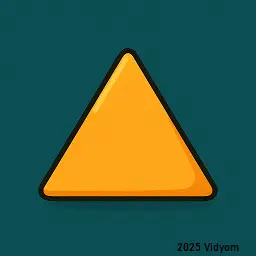
Is a triangle round?
32
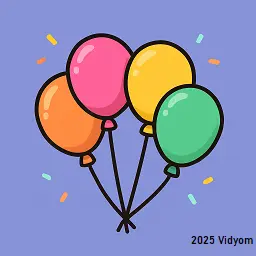
Can a balloon float in the air?
33
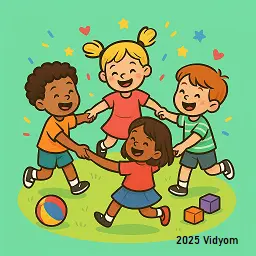
Is it fun to play with friends?
34
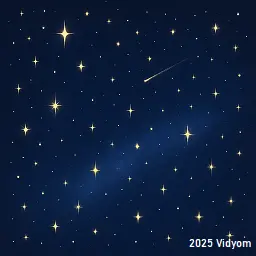
Do stars shine at night?
35
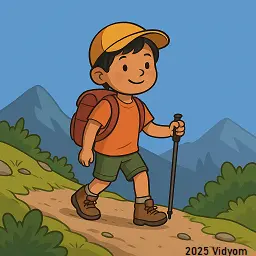
Can you climb a mountain?
36
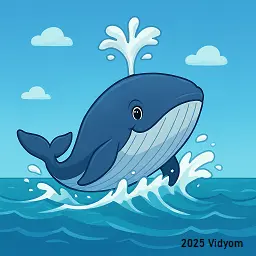
Is a whale a fish?
37
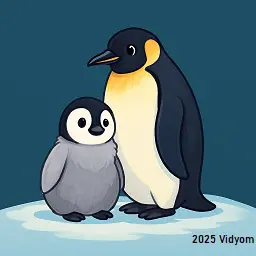
Do penguins live in the snow?
38
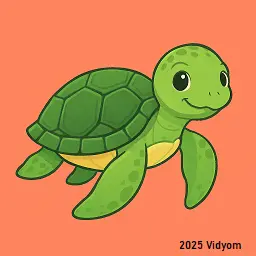
Can a turtle run fast?
39
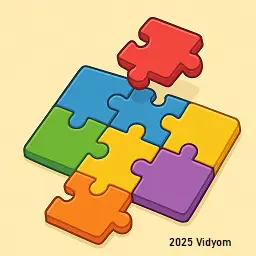
Do you like puzzles?
40
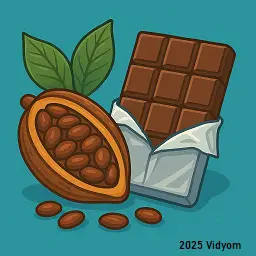
Is chocolate made from beans?
Score: 0 / 10
Tips for Parents
First, notice how Lesson 4 blends shapes, nature, and facts. Next, try the quick ideas at home. Finally, watch for the signs of progress and celebrate effort.
What kids learn in Lesson 4
🔺 Shapes & space
🌌 Night sky
🐳 Mammal vs. fish
🐧 Cold habitats
🐢 Speed words
🍫 Where food comes from
🗣️ “Because” sentences
🌟 Confidence
Key skills, step by step
- First, children sort facts from opinions (puzzles can be liked or not; triangles are not round).
- Next, they meet science ideas: balloons float with light gas or warm air; stars shine at night.
- Also, they compare animals accurately: whales are mammals, penguins live in snowy places, turtles move slowly.
- Moreover, they learn where food comes from: chocolate is made from cocoa beans.
- Therefore, vocabulary grows (triangle, float, shine, mammal, habitat, cocoa) and reasoning gets quicker.
Why this lesson matters
Thinking habits that get stronger
- To begin, kids practise the routine listen → think → choose → explain.
- In addition, they use categories to organise knowledge: shapes, sky, animals, food.
- As a result, they make precise statements (for example, “A whale breathes air, so it’s a mammal”).
- Consequently, they avoid over-generalisations (not every animal that swims is a fish; not every round thing is a ball).
Quick support at home
1–2 minute ideas
- Afterward, ask for one reason: “Why did you say Yes/No?” Encourage a short because… answer.
- Also, do a mini shape hunt: find a triangle (hanger corner, slice of pizza). Contrast it with a circle (plate).
- For example, blow a balloon and ask, “What makes it float?” Then nudge: “It’s filled with light gas or warm air.”
- Meanwhile, watch a short penguin or whale clip and ask, “Fish or mammal? How do you know?”
- Finally, show cocoa beans or a photo and say, “Chocolate starts from these beans.”
Tip: Keep practice short and positive—5 to 7 minutes is plenty.
Signs of progress
What improvement looks like
- Over time, answers include evidence (“No, a whale is a mammal because it breathes air”).
- Soon, your child uses precise words naturally (triangle, float, habitat, cocoa).
- Eventually, they self-correct (“Turtles are slow; therefore, they can’t run fast”).
Frequently Asked Questions
Quick answers for parents and teachers using yes or no questions for kids lesson 4 with audio and pictures.
1) How do kids play Yes or No Questions for Kids Lesson 4?
Tap Play Question, listen carefully, look at the picture, and choose Yes or No.
Your score updates after each answer.
2) What age group is Lesson 4 best for?
Lesson 4 works best for Pre-KG, LKG, UKG, and early primary learners (Class 1–2) who are practising English listening and quick thinking.
3) What does Lesson 4 teach?
Kids practise shapes and science ideas (triangle vs round, stars at night), learn animal facts (whale is a mammal, penguins in snow, turtles are slow),
and improve vocabulary with fun pictures and audio.
4) Why do some questions accept both Yes and No?
Some questions are about personal choice (for example, liking puzzles or thinking climbing a mountain is possible for you). In those, either answer can be correct.
5) How can parents help after the quiz?
Ask one simple “Why?” question (example: “Why is a whale not a fish?”). Then repeat 2 questions tomorrow for quick revision and better memory.
6) What should we do if the audio does not play?
Check internet and volume, refresh once, and try another browser if needed. The quiz still works with text and pictures even if audio is slow.
📲 Download Vidyom - Kids Learning App
🚫 Ad-Free Learning Experience for Kids
Enjoy safe & distraction-free learning for kids. Install the Vidyom app now for an ad-free experience, fun lessons, and interactive activities.