Nov
02
Who Questions and Answers – Listen and Speak
Who questions and answers with audio, answer boxes, and simple speaking practice to help kids listen, think, and answer confidently.

Smart Knowledge Journey for Easy Education – Pre-kg To Class 5
Kindergarten learning helps young children understand useful habits, language concepts, objects, sounds, stories, and everyday situations. This category brings together simple lessons about study habits, good manners, cleanliness, question words, positions, animal sounds, food items, household objects, accessories, metals, and opposite words. These early childhood learning activities can improve vocabulary, observation, listening, communication, memory, social behaviour, and general knowledge. The lessons are suitable for LKG, UKG, kindergarten, and early primary learners studying at home or in the classroom.
Help children build useful knowledge through simple kindergarten learning activities about good habits, language, objects, sounds, stories, positions, food, and everyday situations. These practical lessons make early learning easier to understand and connect with real life.
The lessons cover useful knowledge and skills that children can connect with home, school, stories, and daily life.
Choose one lesson for a short 10 to 15-minute session. Ask the child to name pictures, answer simple questions, repeat useful words, and connect the topic with real situations at home or school. Regular revision can improve understanding and confidence.
Explore the lessons displayed below to support your child’s vocabulary, behaviour, communication, listening, and practical kindergarten development.
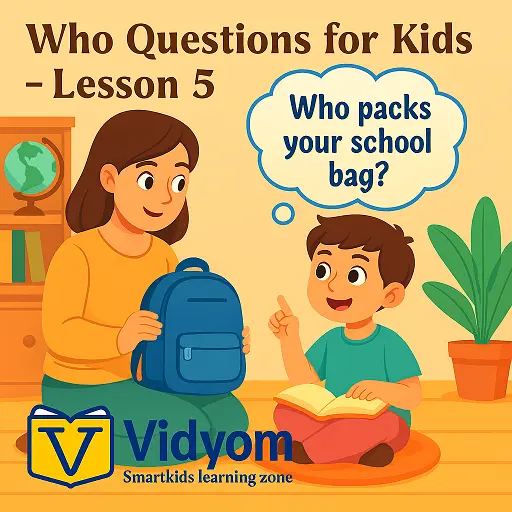
Who questions and answers with audio, answer boxes, and simple speaking practice to help kids listen, think, and answer confidently.
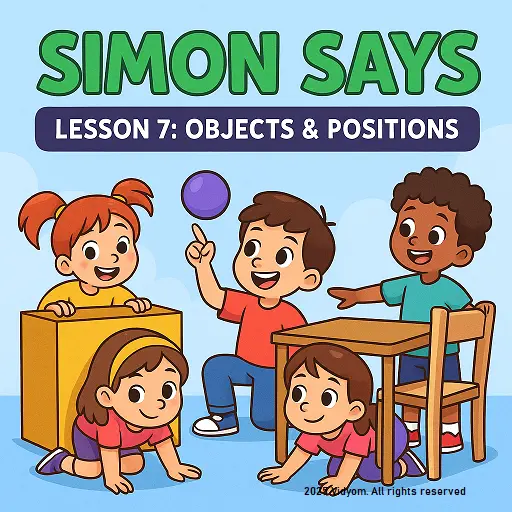
Simon Says Positions for Kids – Lesson 7 teaches children prepositions and object words through fun listening and movement. Kids practice commands like on the table, in the box, under the chair, near you, and between two things. Each card includes a simple “how to do” tip with audio support, plus a printable quick list for easy classroom or home practice.
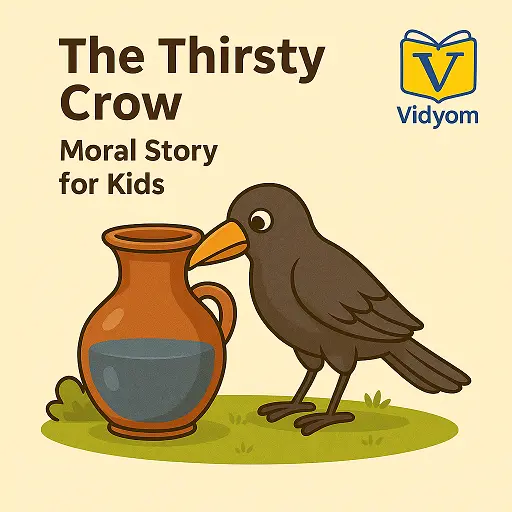
Thirsty Crow Story for Kids: A thirsty crow finds a pot with very little water. Instead of giving up, it drops small pebbles into the pot again and again. Slowly, the water rises, and the crow drinks happily. This short moral story teaches children smart thinking, patience, and problem-solving.
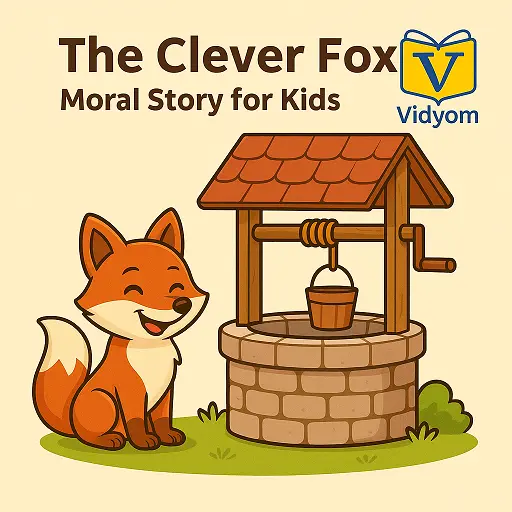
This clever fox story for kids is a short moral tale with audio and colourful pictures. When the fox falls into a deep well, he uses smart thinking to escape and teaches an important lesson. Kids enjoy the story, learn new words, and remember the moral: always think before you act.
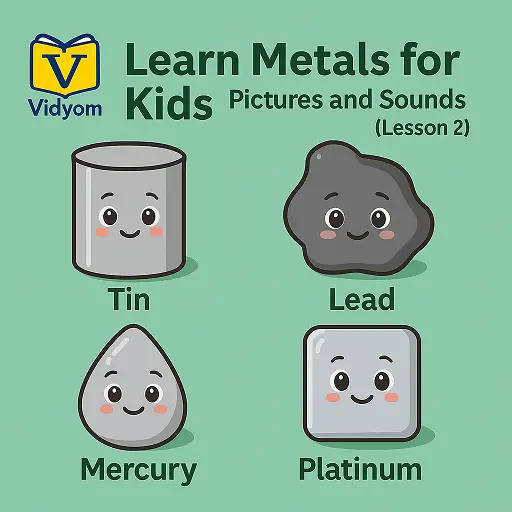
Help kids learn metal names with colorful picture cards, clear audio, simple facts, and quick Q&A practice. This activity is useful for parents, teachers, and young learners at home or in class.
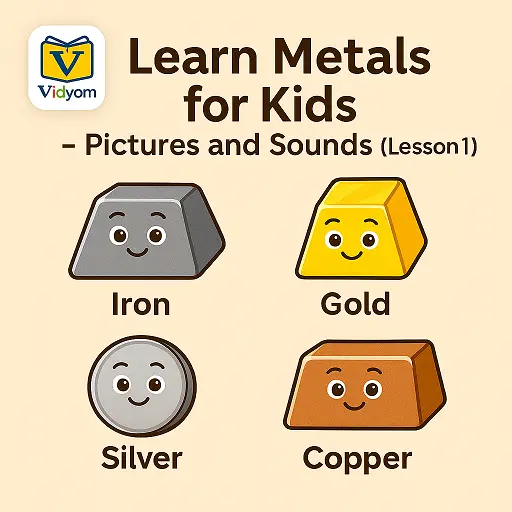
Help children learn metals with pictures, audio, simple facts, a mini metal table, and quick question practice. This kid-friendly activity introduces iron, gold, silver, copper, aluminium, steel, bronze, brass, zinc, and nickel.
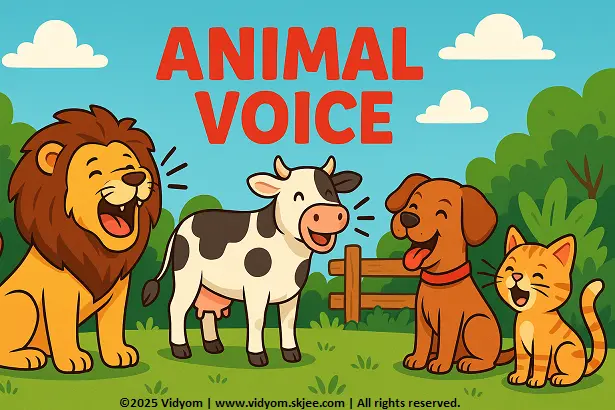
Animal Sounds for Kids is a fun and interactive learning page that helps children learn animal sounds through watching and listening. Kids can see animals, hear their real sounds, and connect each sound with the correct animal easily. This watch-and-learn approach makes learning exciting and improves listening skills, memory, and animal recognition. Animal Sounds for Kids is perfect for Pre-KG, LKG, UKG, and early primary learners who love animals and sound-based learning. Learning animal sounds also helps children build vocabulary, improve pronunciation, and understand the animal world in a playful way at home or in the classroom.
Where Questions for Kids – Part 1 is a simple and engaging lesson that helps children understand and answer “Where” questions using clear audio support. This page introduces everyday location-based questions with easy examples so kids can listen, think, and respond confidently. Audio questions make learning more interactive and help improve listening and comprehension skills. Where Questions for Kids is perfect for Pre-KG, LKG, UKG, and early primary learners who are developing basic English communication skills. Practicing “Where” questions helps children talk about places, improve sentence formation, and build confidence in speaking at home or in the classroom.
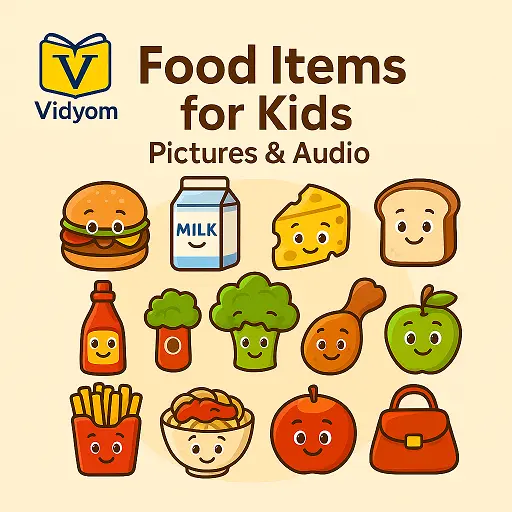
food items for kids is a fun and easy learning page that helps children learn the names of common foods using clear pictures and audio pronunciation. Kids can see each food item, listen to its name, and repeat to improve vocabulary and speaking skills step by step. This lesson makes learning food names enjoyable while helping children recognize foods they eat every day. food items for kids is perfect for Pre-KG, LKG, UKG, and early primary learners who are building basic English words. Learning food items supports healthy food awareness and confident communication at home or in the classroom through playful practice.
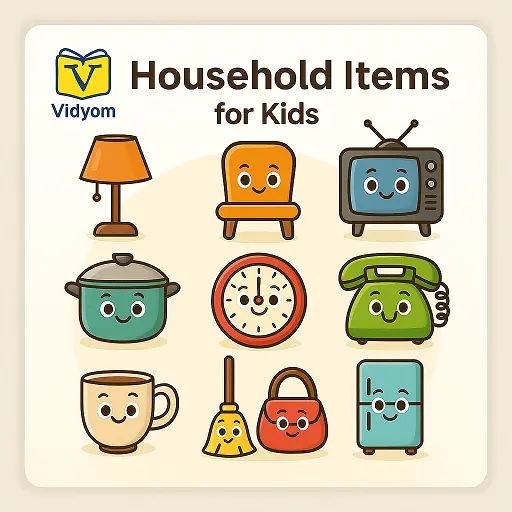
household items for kids is a fun and interactive learning page that helps children learn the names of common items used at home. With a simple touch-and-learn approach, kids can tap on clear pictures, listen to audio pronunciation, and remember each item easily. This lesson builds everyday vocabulary, improves pronunciation, and helps children recognize objects around them. household items for kids is perfect for Pre-KG, LKG, UKG, and early primary learners who are developing basic English skills. Learning household items also helps children talk about their surroundings and makes learning meaningful at home or in the classroom.