
Taste Vocabulary for Kids – Food Words with Audio
Welcome to taste vocabulary for kids. In this lesson, children will learn easy taste words like sweet, sour, salty, spicy, bitter, tasty, and more with simple meanings and examples. Tap Play Intro, listen carefully, and repeat. This lesson is part of our vocabulary for kids series and is useful for Pre-KG, LKG, and UKG children.
Hello kids. Today we will learn taste vocabulary for kids. You will hear easy taste words we use while eating. Listen carefully and repeat each word after me. Ready? Let us begin.
Taste Vocabulary for Kids – Food Words with Audio
In this taste vocabulary for kids lesson, children can learn useful taste words with easy meanings and examples. Tap Play Audio to hear one word at a time.

Sweet
Meaning: Having sugar taste
Example: The mango is sweet.
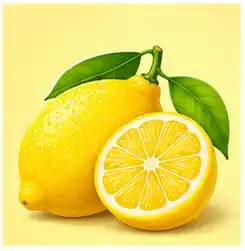
Sour
Meaning: Having sharp lemon taste
Example: The lemon is sour.

Salty
Meaning: Having salt taste
Example: Chips are salty.

Spicy
Meaning: Hot taste from chilli
Example: This curry is spicy.
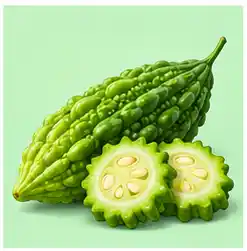
Bitter
Meaning: Not sweet, strong taste
Example: Neem leaves are bitter.

Tasty
Meaning: Very good taste
Example: This dosa is tasty.
Delicious and Food Texture Words

Yummy
Meaning: Very delicious and nice
Example: The ice cream is yummy.

Delicious
Meaning: Very enjoyable to eat
Example: The biryani is delicious.
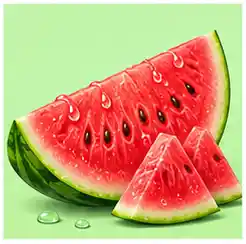
Juicy
Meaning: Full of juice
Example: Orange is juicy.

Crunchy
Meaning: Hard and crispy sound when eaten
Example: Carrot is crunchy.

Hot
Meaning: Very warm, can burn mouth
Example: The soup is hot.

Mild
Meaning: Not very spicy
Example: This curry is mild.
More Taste and Texture Words

Tangy
Meaning: Sour and tasty
Example: The chutney is tangy.

Creamy
Meaning: Soft and smooth like cream
Example: The shake is creamy.

Soft
Meaning: Not hard, easy to chew
Example: The bread is soft.

Crispy
Meaning: Light and crunchy
Example: Papad is crispy.

Chewy
Meaning: Needs more chewing
Example: The candy is chewy.

Sticky
Meaning: Sticks to fingers or mouth
Example: The toffee is sticky.
More Food Describing Words

Dry
Meaning: Not wet, no moisture
Example: The biscuit is dry.
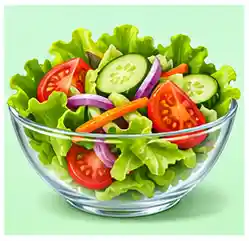
Fresh
Meaning: New and good to eat
Example: The fruit is fresh.

Warm
Meaning: A little hot, comfortable
Example: The milk is warm.

Cool
Meaning: A little cold, not hot
Example: The juice is cool.

Savory
Meaning: Tasty salty flavor, not sweet
Example: Samosa tastes savory.

Flavorful
Meaning: Having a lot of good taste
Example: This curry is flavorful.

Bland
Meaning: Having little or no strong taste
Example: The plain rice tastes bland.
Practice tip: Learn one set today. Tomorrow, revise old taste words first, then learn the next set.
Today’s Listening Progress
✓ 0 of 25 words listened
25 words remaining
Explore More Vocabulary Lessons for Kids
Discover more fun vocabulary lessons with pictures and easy words for kids.








Fun Taste Words & Food Flavors for Kids
Help children learn common taste words like sweet, sour, salty, spicy, bitter, tasty, and delicious with simple meanings, easy examples, and audio practice.

Parents Guide to Teach Taste Words
This lesson helps kids learn taste vocabulary for kids with useful words like sweet, sour, salty, spicy, bitter, tasty, yummy, delicious, and bland. First, practice one small set. Next, use real food examples at home. Finally, repeat daily so your child remembers faster.
10-Minute Daily Routine
- To begin with, pick 5 taste words from today’s set.
- Then, tap Play Audio and let your child listen calmly.
- Next, ask your child to repeat each word two times.
- After that, say one line like “Sweet mango”, “Sour lemon”, or “Spicy curry”.
- Finally, stop early while your child is still interested.
Practice with Real Food
- For example, show simple foods that are sweet, sour, salty, mild, or bland.
- Next, ask “Is it sweet or salty?” and help your child answer.
- Meanwhile, use only a small bite if the food is safe for your child.
- In addition, connect words to meals like “The soup is hot”, “The milk is warm”, and “The plain rice tastes bland”.
- Most importantly, keep it fun and pressure-free.
Quick Games for Taste Words
- First, play Guess the Taste: ask your child to say sweet, sour, salty, or bland.
- Then, try Find and Say: “Find something crunchy!”
- Next, do Thumbs Up: ask “Yummy or not yummy?”
- Finally, ask yes or no questions like “Is lemon sweet?”
Pronunciation and Revision Tips
- In addition, repeat slowly and clap once for each word.
- Afterwards, revise yesterday’s 5 words before learning new words.
- However, if your child feels tired, take a short break and continue later.
- Finally, praise effort with words like “Good try!” and “Great job!”
Taste Vocabulary for Kids – FAQ
What is taste vocabulary for kids?
How should my child use the audio in this lesson?
What does “Listened Today” mean?
How many taste words should kids learn in one day?
How can parents practice taste words at home?
Is this lesson good for Pre-KG, LKG, and UKG kids?

📲 Download Vidyom – Kids Learning App
Enjoy safe and distraction-free learning for kids. Install the Vidyom app now for an ad-free experience, fun lessons, and interactive activities.