
Amphibians for Kids – Pictures and Audio (Lesson 1)
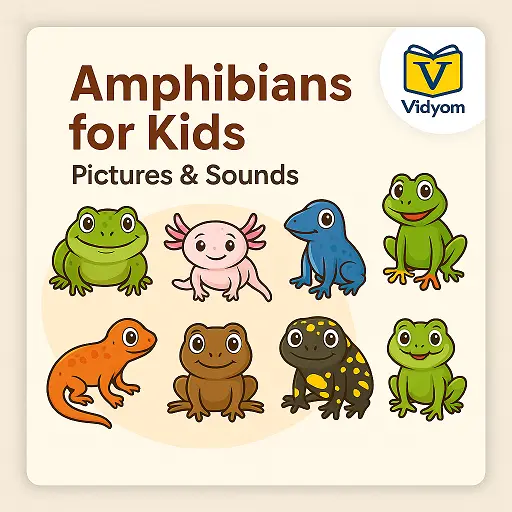
Welcome to Amphibians for Kids. In this easy animal lesson, children will learn amphibian names with colourful pictures and clear audio. Tap the Play button, listen carefully, and repeat each name slowly. Children will learn frogs, toads, salamanders, newts, axolotls, and more with one short line for each animal.
Amphibians for Kids – Pictures and Audio
Frog
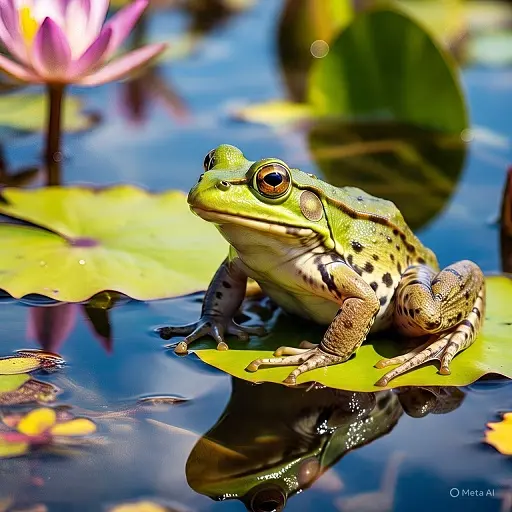
Frogs live on land and in water.
Transcript
This is a frog.
Salamander
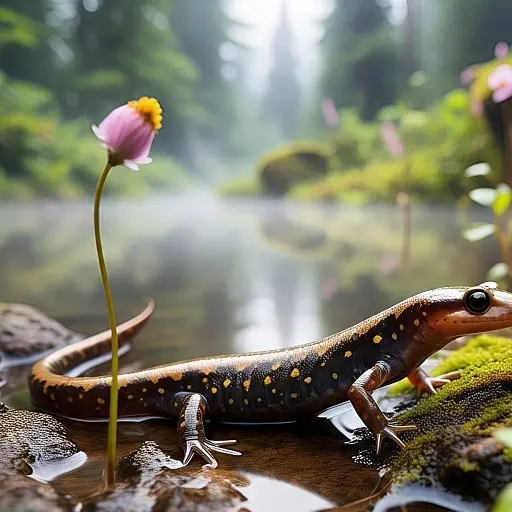
Some salamanders can regrow lost body parts.
Transcript
This is a salamander.
Toad
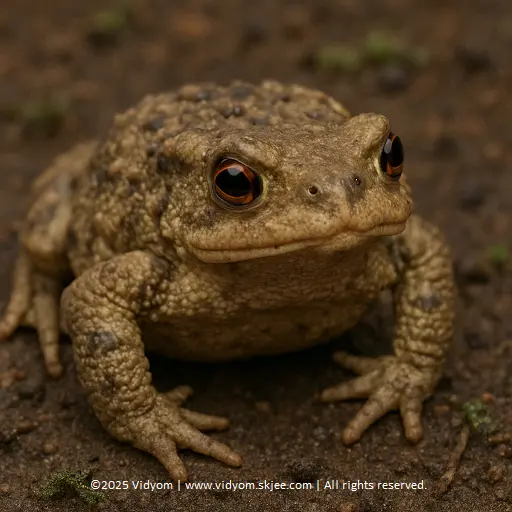
Toads have dry, bumpy skin and live mostly on land.
Transcript
This is a toad.
Newt
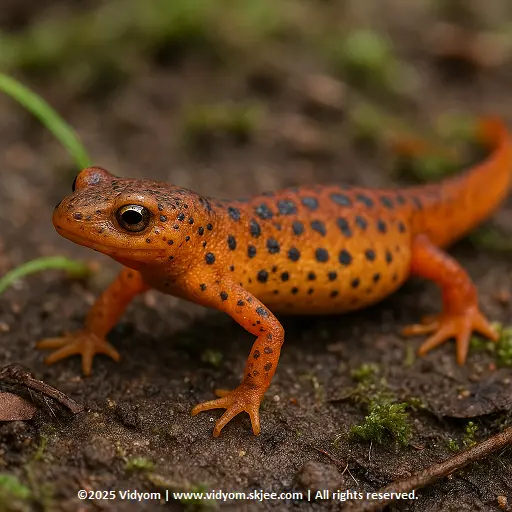
Newts can regrow lost body parts.
Transcript
This is a newt.
Caecilian
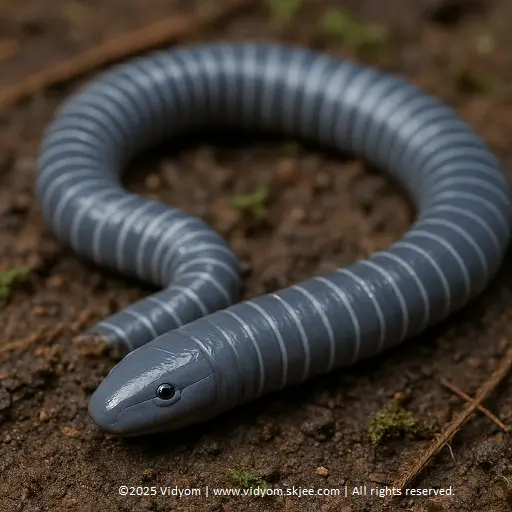
Caecilians are legless amphibians that live underground.
Transcript
This is a caecilian.
Axolotl
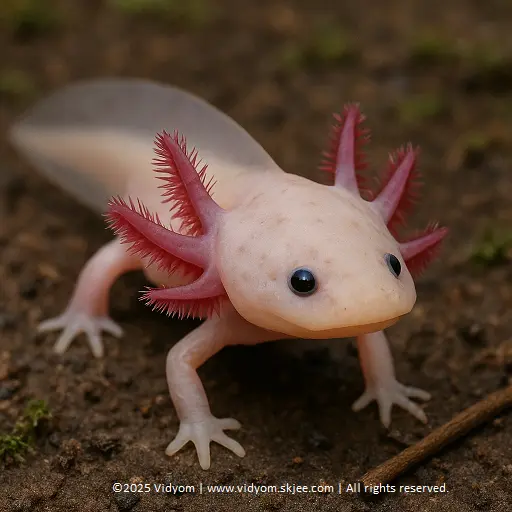
Axolotls keep their gills and stay underwater for life.
Transcript
This is an axolotl.
Mudpuppy
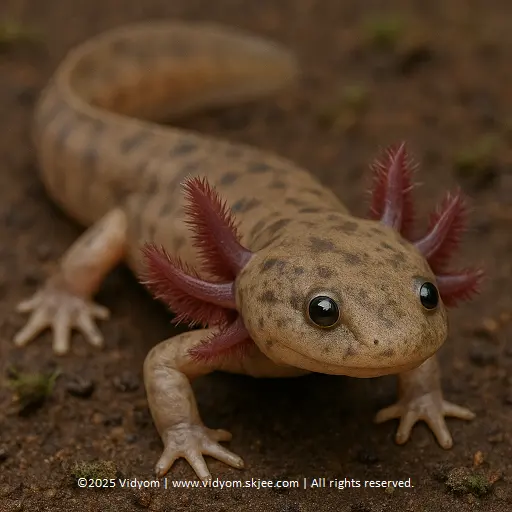
Mudpuppies have feathery gills and live underwater.
Transcript
This is a mudpuppy.
Tree Frog
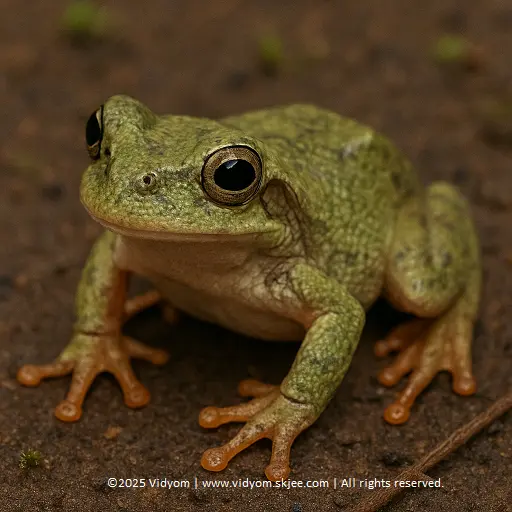
Sticky toe pads help tree frogs climb.
Transcript
This is a tree frog.
Glass Frog
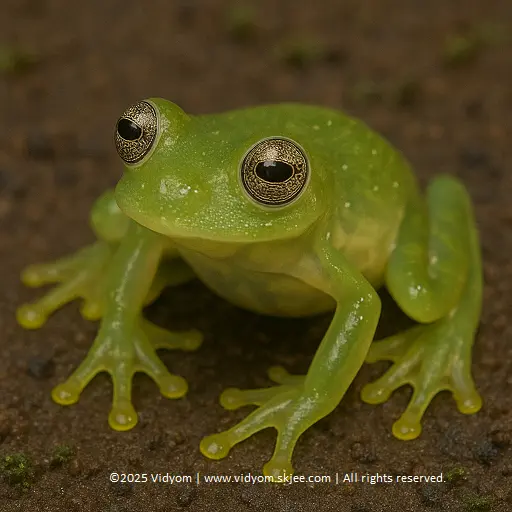
Glass frogs have see-through bellies.
Transcript
This is a glass frog.
Dart Frog
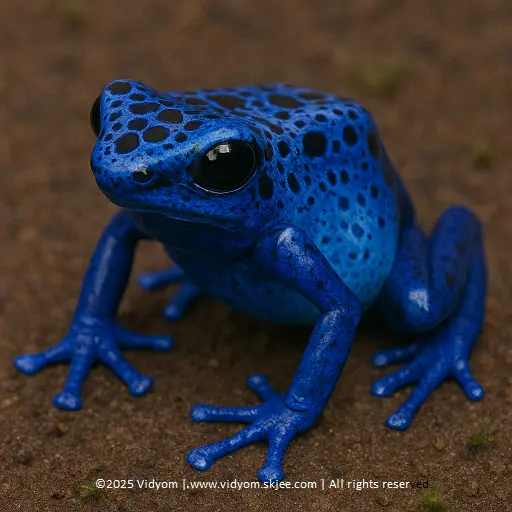
Some dart frogs are tiny and very colorful.
Transcript
This is a dart frog.
Explore More Animal Learning Topics
Scroll sideways to see more related topics.

Amphibians for Kids – Question and Answer Time
After your child learns the animal cards in Amphibians for Kids, use this quick revision game. Ask one question, let the child answer, then tap Show answer. It helps children remember amphibian animals and speak with more confidence.
-
Question 1
Q: Which amphibian can live in water and on land?
Answer: Frog. -
Question 2
Q: Which one looks like a frog but has dry, bumpy skin and lives mostly on land?
Answer: Toad. -
Question 3
Q: Which amphibian looks like a small lizard and can regrow a leg?
Answer: Salamander. -
Question 4
Q: Which amphibian is similar to a salamander and can regrow body parts too?
Answer: Newt. -
Question 5
Q: Which amphibian is legless and lives underground like a worm?
Answer: Caecilian.
Amphibians for Kids – More Practice Questions
-
Question 6
Q: Which amphibian stays in water and keeps its gills for life?
Answer: Axolotl. -
Question 7
Q: Which amphibian has feathery gills and lives underwater?
Answer: Mudpuppy. -
Question 8
Q: Which frog climbs trees using sticky toe pads?
Answer: Tree Frog. -
Question 9
Q: Which frog has a see-through belly?
Answer: Glass Frog. -
Question 10
Q: Which tiny frog can be very colorful and poisonous in the wild?
Answer: Dart Frog.
Tip: Repeat this game two or three times. It helps children remember amphibian names and enjoy Amphibians for Kids step by step.
Amphibians for Kids – Frequently Asked Questions
These answers help parents and teachers use this picture and audio activity in a simple way.
What is Amphibians for Kids?
Which animals are included in this page?
What is the difference between a frog and a toad for kids?
How do pictures and audio help kids learn amphibians faster?
What age group can use this amphibians activity?
How can parents and teachers use this page for revision?

📲 Download Vidyom – Kids Learning App
Enjoy safe and distraction-free learning for kids. Install the Vidyom app now for an ad-free experience, fun lessons, and interactive activities.