
Sea Animals for Kids – Pictures and Audio (Lesson 1)
Welcome to sea animals for kids. In this easy ocean animal lesson, children can see pictures, listen to clear audio, and repeat each name slowly. This activity helps children learn sea animal names, build vocabulary, and enjoy simple picture-based learning step by step.
Sea Animals for Kids – Pictures and Audio
Octopus
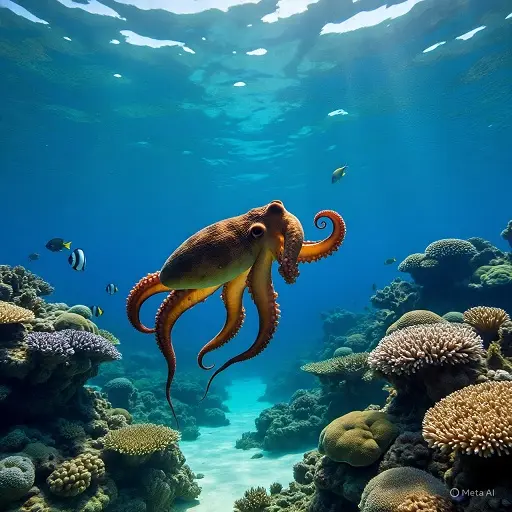
Octopuses have 8 arms, 3 hearts, and blue blood.
Transcript
This is an octopus.
Crab
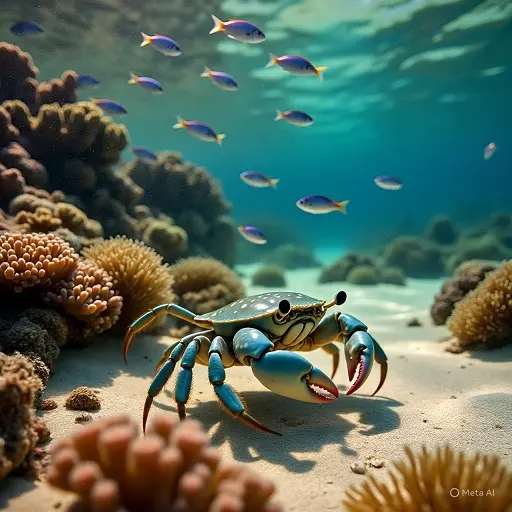
Crabs have 10 legs and often walk sideways.
Transcript
This is a crab.
Dolphin
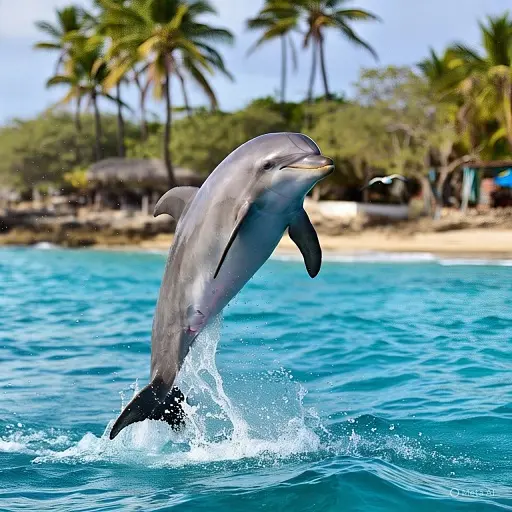
Dolphins are smart and social ocean animals.
Transcript
This is a dolphin.
Shrimp
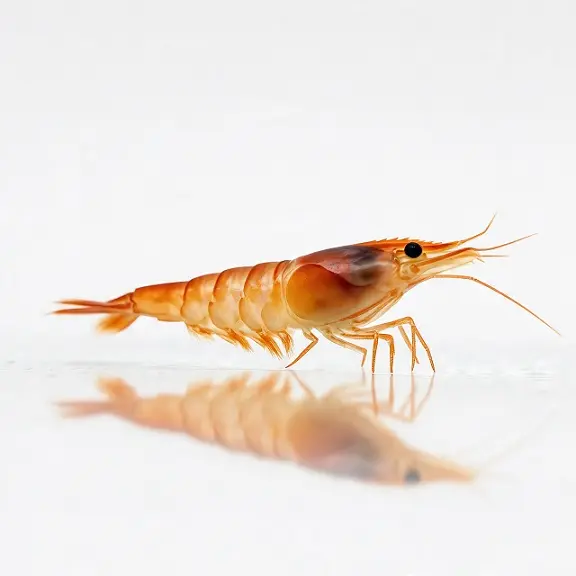
Shrimp are small sea animals with long feelers.
Transcript
This is a shrimp.
Whale
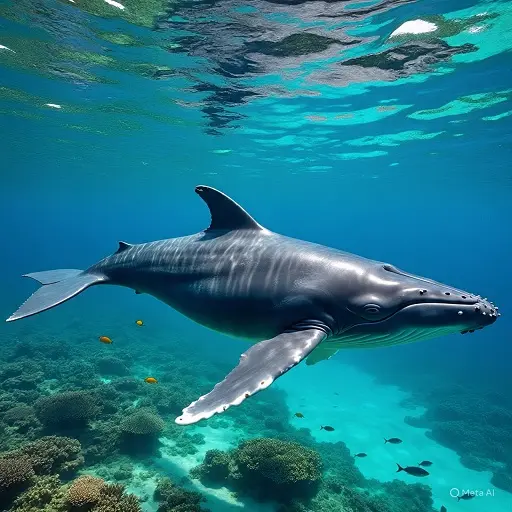
Blue whales are the largest animals on Earth.
Transcript
This is a whale.
Starfish
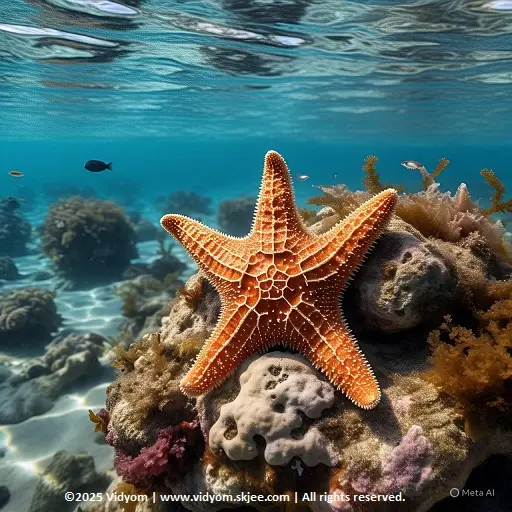
Starfish are not fish. They can regrow arms.
Transcript
This is a starfish.
Jellyfish
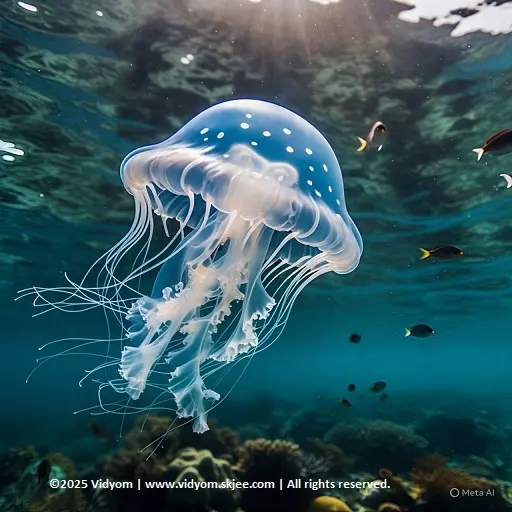
Jellyfish have no bones, brain, or heart.
Transcript
This is a jellyfish.
Seahorse
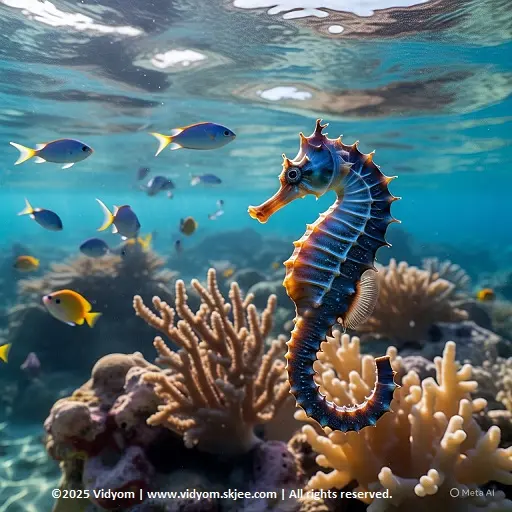
Seahorses swim upright and hold plants with their tails.
Transcript
This is a seahorse.
Sea Turtle
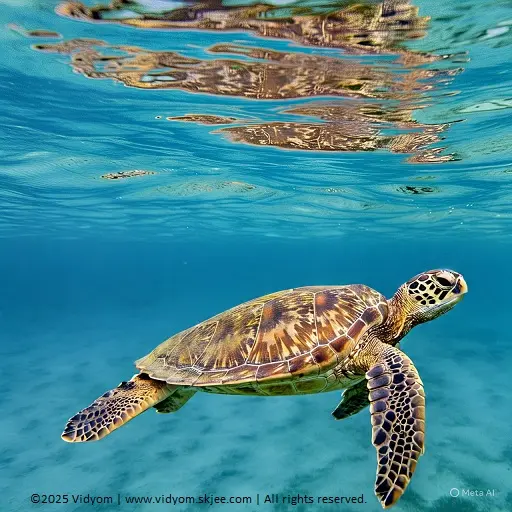
Sea turtles have lived in oceans for millions of years.
Transcript
This is a sea turtle.
Stingray
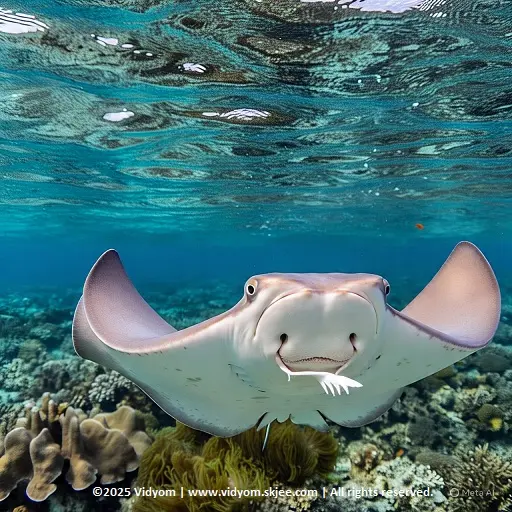
Stingrays are flat and glide through the water.
Transcript
This is a stingray.
Explore More Animal Learning Topics
Scroll sideways to see more related topics.
Sea Animals for Kids – Typing Practice
Welcome kids! Let’s learn typing with fun sea animal pictures. Look at the image, type the name slowly, and watch the boxes turn green for correct letters. If a letter becomes red, try again. Tap Hint only when you need help.

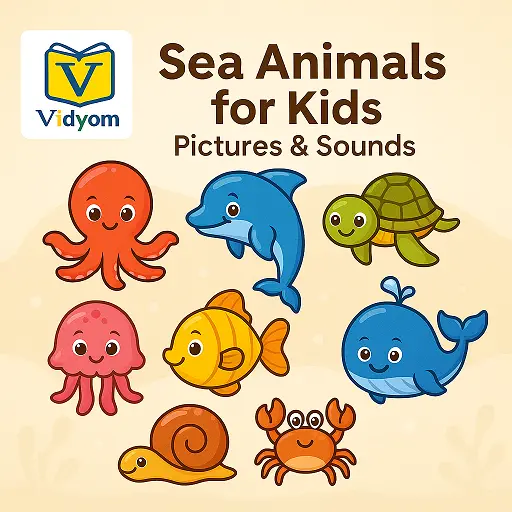
Sea Animals for Kids – Question and Answer Time
After your child finishes the picture and audio cards in sea animals for kids, use this quick Q&A game to revise. Ask the question first, give time to answer, then tap Show answer. It helps children remember names and speak confidently.
-
Question 1
Q: Which sea animal has 8 arms?
Answer: Octopus. -
Question 2
Q: Which sea animal has claws and often walks sideways?
Answer: Crab. -
Question 3
Q: Which sea animal is smart and uses clicks and whistles to communicate?
Answer: Dolphin. -
Question 4
Q: Which small sea animal looks like a tiny curved C and swims fast?
Answer: Shrimp. -
Question 5
Q: Which sea animal is very big and sings in the ocean?
Answer: Whale.
Sea Animals for Kids – More Practice Questions
-
Question 6
Q: Which sea animal looks like a star and can regrow an arm?
Answer: Starfish. -
Question 7
Q: Which sea animal has a jelly body and can sting?
Answer: Jellyfish. -
Question 8
Q: Which sea animal looks like a small horse and swims upright?
Answer: Seahorse. -
Question 9
Q: Which sea animal has a hard shell and comes to land to lay eggs?
Answer: Sea Turtle. -
Question 10
Q: Which flat sea animal glides in water and has a tail stinger?
Answer: Stingray.
Play this Q&A again and again to revise sea animals for kids. Ask, answer, then check — simple and fun!
Sea Animals for Kids – Frequently Asked Questions
Quick answers for parents and teachers using this picture and audio sea animal activity.
What will children learn in sea animals for kids?
How do I use this page the best way?
Are these audio clips safe for kids?
Do I need internet to play the sea animal audio?
What age group is best for this lesson?
What can we learn next after this page?
📲 Download Vidyom – Kids Learning App
Enjoy safe and distraction-free learning for kids. Install the Vidyom app now for an ad-free experience, fun lessons, and interactive activities.