
Rain Facts for Kids – Amazing and Fun
Welcome to our rain facts for kids page. Children can listen to easy rain facts, watch a simple animation, and learn how rain forms, how the water cycle works, why rain smells fresh, and how rain helps life grow.
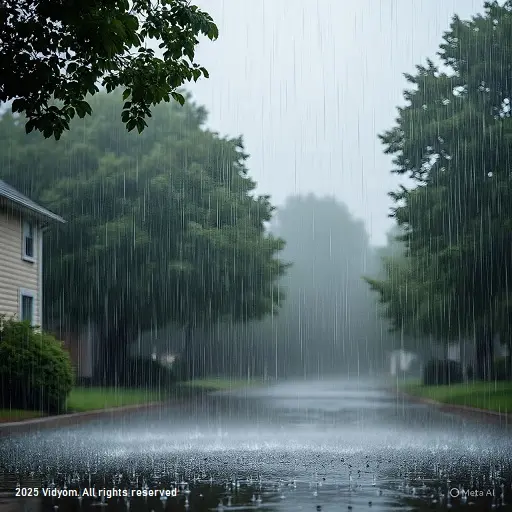
- Rain is part of the water cycle, where water rises, forms clouds, and falls back to Earth.
- Rain helps plants grow and fills rivers, lakes, ponds, and wells with fresh water.
- Every raindrop can form around tiny dust, salt, or pollen particles in the air.
- The fresh smell after rain is called petrichor, and it comes from wet soil and plants.
- Some deserts may go years without rain, while rainforests can get rain very often.
- Small raindrops are almost round, while bigger drops can flatten as they fall.
- Thunder is the sound made when lightning heats the air very quickly.
- Monsoon winds bring months of rain to many places and help farmers grow crops.
- Rain can fall as drizzle, showers, downpours, freezing rain, hail, or snow in cold weather.
- Scientists measure rainfall with a rain gauge and record it in millimeters.
Rain Facts at a Glance
This table gives clear rain facts for kids in one place. Children can quickly learn about the water cycle, raindrops, petrichor, monsoons, rainfall, thunder, and why rain is important for life.
| Detail | Rain Information | Easy Meaning for Kids |
|---|---|---|
| Water Cycle | Rain is part of the water cycle, where water rises, forms clouds, and returns to Earth | Water goes up, forms clouds, and later falls back down as rain. |
| Helping Plants | Rain provides water that plants need for growth | Plants need rainwater to grow and stay healthy. |
| Fresh Water | Rain helps fill rivers, lakes, ponds, wells, and other freshwater sources | Rain adds water to many places that people, plants, and animals use. |
| Raindrop Formation | Raindrops can form around tiny particles such as dust, salt, or pollen in clouds | Tiny bits in the air can help water droplets begin to form. |
| Petrichor | Petrichor is the fresh earthy smell often noticed after rain | The fresh smell after rain has a special name: petrichor. |
| Rainy and Dry Places | Rainforests often receive frequent rain, while some deserts may go a very long time without it | Some places get lots of rain, while others get very little. |
| Raindrop Shape | Small raindrops are nearly round, while larger drops can flatten as they fall | Raindrops can change shape depending on their size. |
| Thunder | Thunder is produced when lightning rapidly heats the surrounding air | Lightning heats the air very fast, making the sound we call thunder. |
| Monsoon | Monsoon winds can bring long periods of seasonal rain to many regions | Monsoons can bring lots of rain for weeks or months. |
| Farming | Seasonal rainfall can provide important water for crops and farming | Farmers often depend on rain to help crops grow. |
| Types of Precipitation | Water from clouds can fall as drizzle, showers, downpours, freezing rain, hail, or snow | Water can fall from clouds in different forms depending on the weather. |
| Rain Gauge | Scientists use a rain gauge to measure rainfall, often recording it in millimeters | A rain gauge tells us how much rain has fallen. |
Rain Questions and Answers for Kids
Test what you remember from these rain facts for kids. Read each question, think about the answer, and then tap Show Answer.
What cycle is rain a part of?
Answer: Rain is part of the water cycle, where water rises, forms clouds, and falls back to Earth.
How does rain help plants and people?
Answer: Rain helps plants grow and fills rivers, lakes, ponds, and wells with fresh water.
What can a raindrop form around in the air?
Answer: A raindrop can form around tiny dust, salt, or pollen particles in the air.
What is the fresh smell after rain called?
Answer: The fresh smell after rain is called petrichor.
How are small and large raindrops different in shape?
Answer: Small raindrops are almost round, while bigger drops can flatten as they fall.
What causes the sound of thunder?
Answer: Thunder is made when lightning heats the air very quickly.
How do monsoon rains help farmers?
Answer: Monsoon rains provide water that can help farmers grow crops.
What tool do scientists use to measure rainfall?
Answer: Scientists use a rain gauge to measure rainfall, often recording it in millimeters.

Rain Facts for Kids – Discover How Rain Happens
Learn simple and interesting rain facts for kids, including how rain forms, why rain is important, what petrichor is, how rain is measured, and how rainfall differs around the world.
What We Learned About Rain
Rain is an important part of the water cycle and helps bring fresh water back to Earth. It supports plants, fills rivers and lakes, and can fall in different amounts around the world. Scientists use tools such as rain gauges to measure how much rain has fallen.
For Parents and Teachers
- Play the fact audio while the child looks at the rain picture.
- Ask the child, “How does rain help plants grow?”
- Encourage the child to remember that the fresh smell after rain is called petrichor.
- Let the child explain how a rain gauge helps scientists measure rainfall.
Read-Aloud Practice
Read aloud: “Rain is part of the water cycle, where water rises, forms clouds, and falls back to Earth.”
Try this: “Rain helps plants grow and fills rivers, lakes, ponds, and wells with fresh water.”
Remember: “Scientists measure rainfall with a rain gauge.”
Learning tip: On a rainy day, ask the child to observe the clouds, raindrops, and puddles safely from indoors. Connecting the lesson with real weather can make these rain facts easier to remember.
Explore More Facts for Kids
Keep learning with the next fun facts lessons for kids.





Rain Facts for Kids – Quick FAQ
These quick questions help children review rain facts for kids in simple words.
What causes rain?
Why is rain important?
Does it rain everywhere?
What is petrichor?
Can rain be measured?

📲 Download Vidyom – Kids Learning App
Enjoy safe and distraction-free learning for kids. Install the Vidyom app now for an ad-free experience, fun lessons, and interactive activities.