
Facts for Kids – Learn, Listen & Discover
Explore fun and interesting facts for kids about animals, space, nature, the human body, and science. Each topic is designed with simple explanations, pictures, and audio to make learning easy and enjoyable for children. Listen to the introduction, then explore the fact topics below and discover something new today.
Hello, little explorers! Welcome to Vidyom Facts for Kids. Here, you’ll learn fun facts for kids and interesting facts for kids about animals, space, nature, and science. So press play, listen carefully, and enjoy discovering something new today! 🌍✨
LET’S LEARN SOMETHING COOL!
Fact for Kids
Short, fun facts that make little minds say “Wow!”
Quick Topic Jump
Choose one topic and open it instantly. This menu stays clean and kid-safe on mobile.
Tip: Pick one topic daily. Listen once, repeat once, then ask your child to explain it in one line.
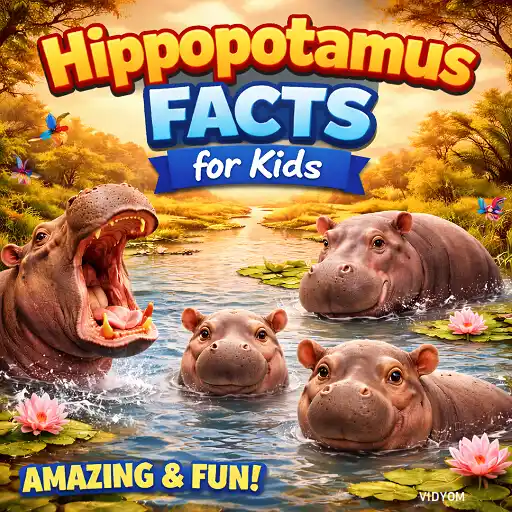
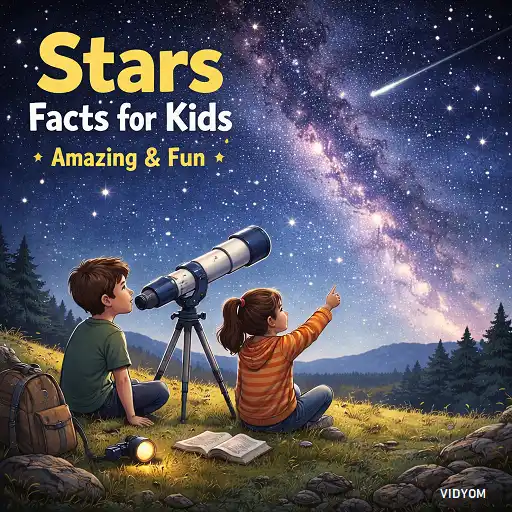
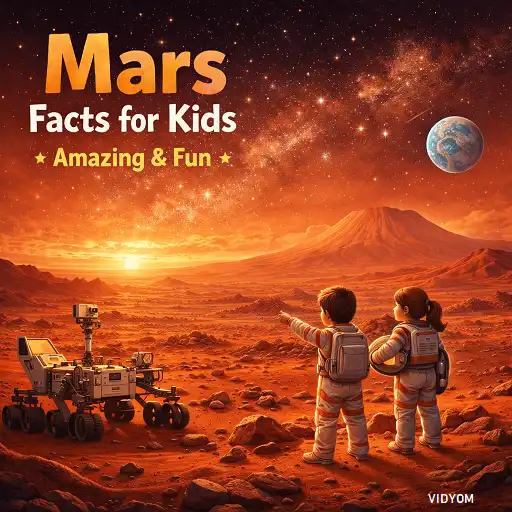
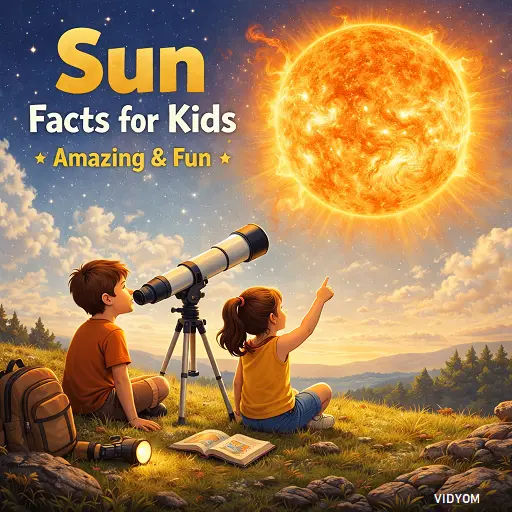
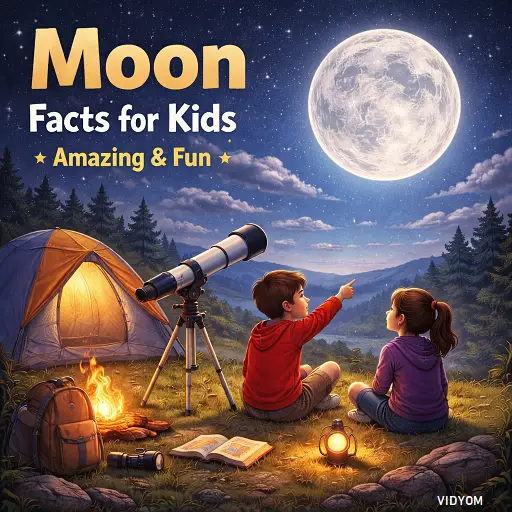
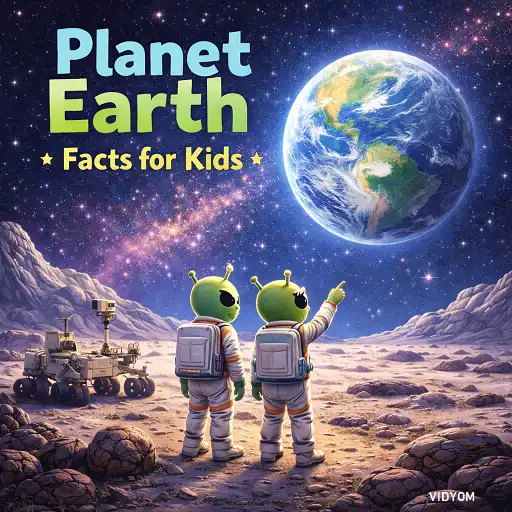
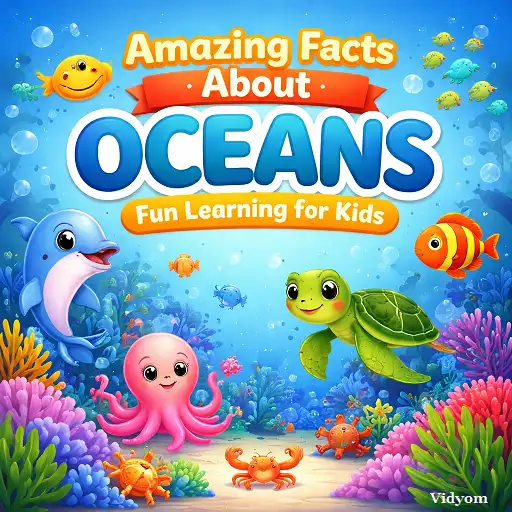
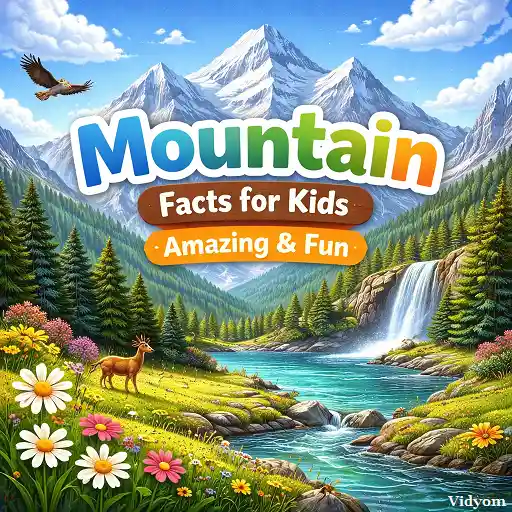
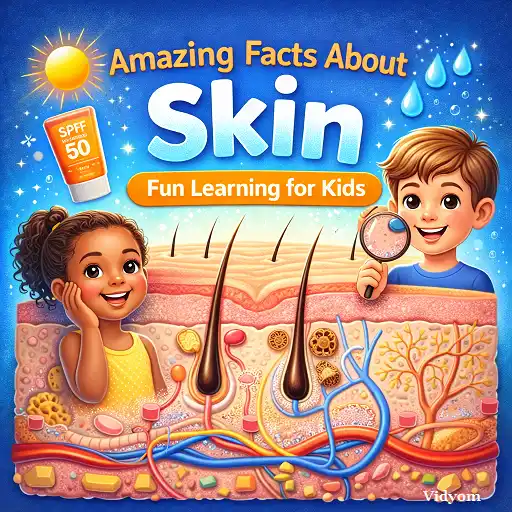
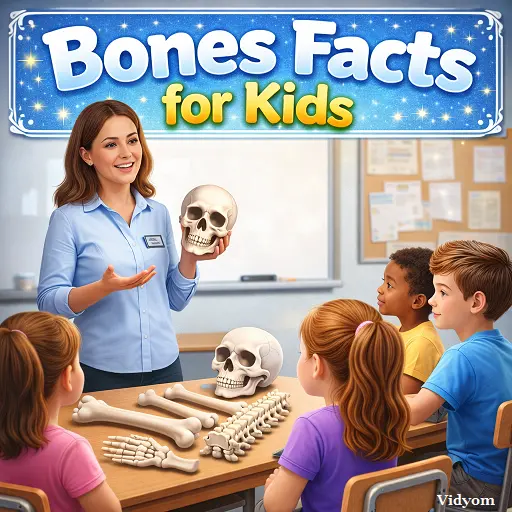
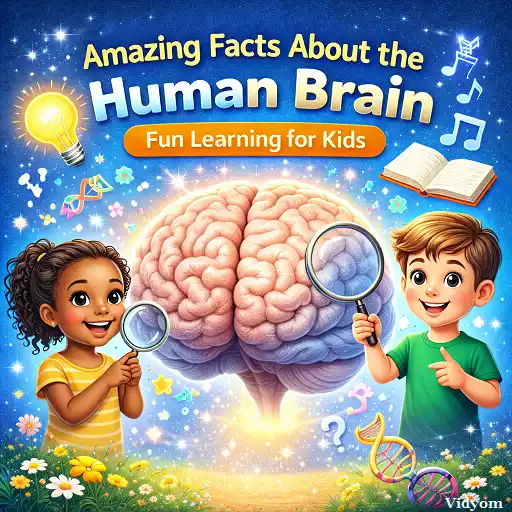
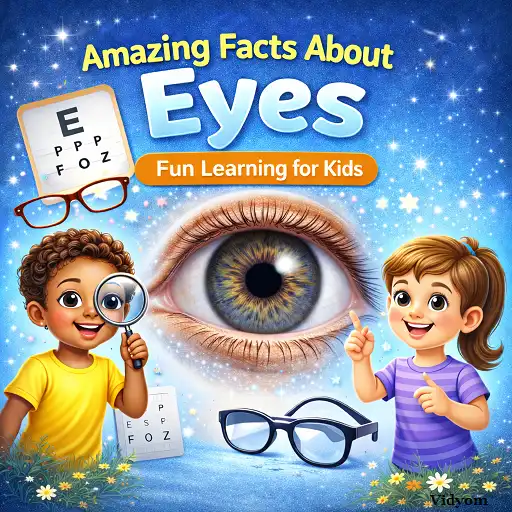
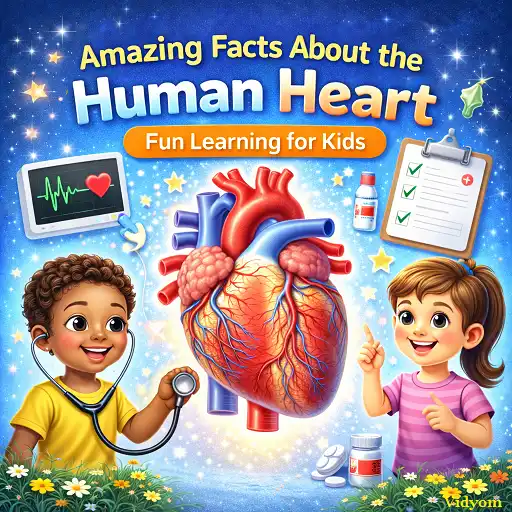
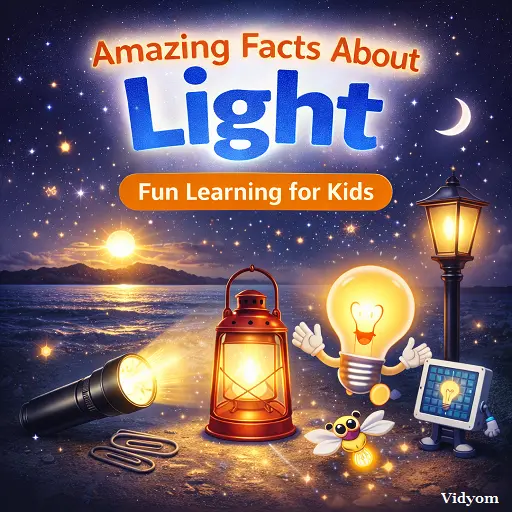
Short Facts for Kids
facts for kids: Enjoy short, kid-friendly facts in 5 groups. First read one line, then repeat it together, and finally ask one tiny question: “Why?” or “How?”
Animal Facts for Kids
To begin, read one fact daily. Next, ask your child to name the animal.
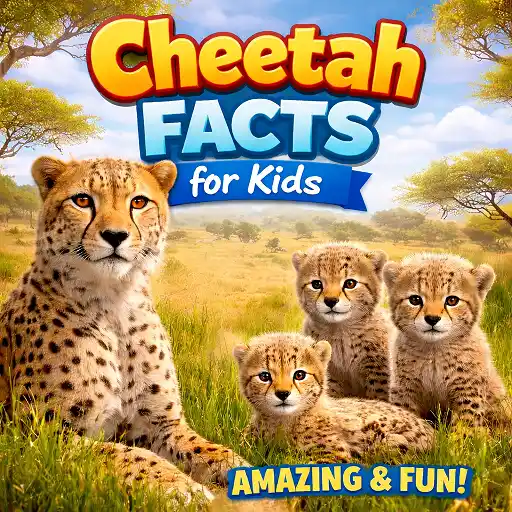
- A cheetah is the fastest land animal.
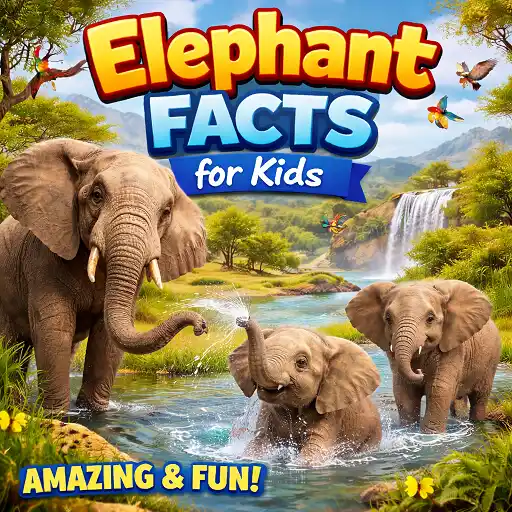
- Elephants use their trunk to smell, drink, and pick things up.
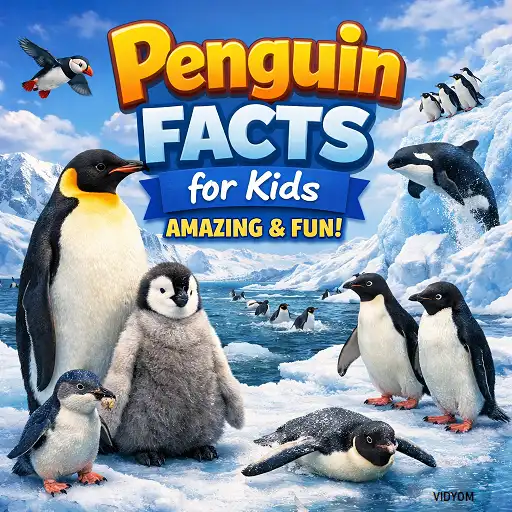
- Penguins are birds, but they swim instead of fly.
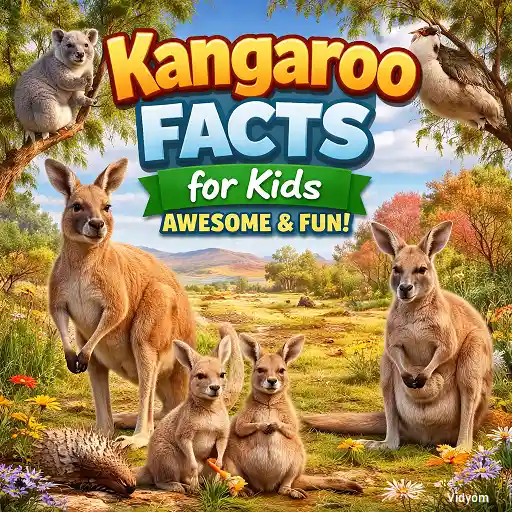
- A baby kangaroo is called a joey.
- Hippos can hold their breath underwater for several minutes.
- Owls can turn their heads very far to look around.
- Giraffes have long necks to reach tall leaves.
- Some frogs can change color to hide better.
- Dolphins breathe air, so they must come up to the surface.
- Butterflies taste with their feet.
- Ants can carry things heavier than their own body.
- Bees help plants by moving pollen from flower to flower.
- Octopuses have eight arms and can squeeze into small spaces.
- Camels store fat in their humps for energy.
- Sharks can grow new teeth again and again.
- Tigers have stripes that help them hide in grass.
- Rabbits have strong back legs for quick jumps.
- Seahorses swim upright, like tiny underwater horses.
- Snakes smell using their tongue.
- Some birds migrate, which means they travel far for seasons.
Earth & Space Facts for Kids
First, read slowly. Then, point to the sky or a picture and explain.
- The Sun is a star that gives us light and heat.
- Earth spins once in about 24 hours (day and night).
- Earth goes around the Sun in about 365 days (one year).
- The Moon shines because it reflects sunlight.
- The Moon changes shape because we see different lit parts.
- Mars is called the Red Planet because of rusty-colored dust.
- Stars look tiny because they are very, very far away.
- A constellation is a star pattern in the sky.
- The sky looks blue because sunlight spreads in the air.
- A rainbow can appear when sunlight bends inside raindrops.
- Volcanoes can erupt when hot melted rock pushes upward.
- Earth has layers inside, and the center is very hot.
- Clouds are made of tiny water droplets.
- Lightning is a big electric spark in the sky.
- Thunder is the sound made after lightning heats the air fast.
- A meteor can glow when it enters our sky.
- Many planets have moons, not just Earth.
- Jupiter is the largest planet in our solar system.
- Saturn has rings made of ice and rock.
- A telescope helps us see far objects in space.
Nature Facts for Kids
Next, ask your child to draw one fact (tree, rain, ocean, mountain).
- Oceans cover most of Earth’s surface.
- Some mountains form when Earth’s plates push together.
- Rivers carry water from land to the sea.
- Rain happens when water drops in clouds become heavy and fall.
- Snow is frozen water that falls when the air is cold.
- Wind is moving air.
- Trees make oxygen using sunlight (photosynthesis).
- Leaves can change color in some seasons.
- Seeds can travel by wind, water, or animals.
- Flowers can attract insects with color and smell.
- Bees and butterflies help flowers make new seeds.
- Soil is a mix of tiny rocks, air, water, and dead plants.
- Earthworms help make soil healthy by mixing it.
- A forest is home to many plants and animals together.
- Coral reefs are built by tiny animals in the ocean.
- Some plants store water in thick leaves, like cactus plants.
- Fog is a cloud that touches the ground.
- Ice can float on water.
- Some rocks take a very long time to form.
- Recycling helps reduce trash and saves resources.
Human Body Facts for Kids
After that, ask: “Where is it?” (heart, brain, teeth, skin).
- Your heart pumps blood through your body.
- Your brain controls thinking, movement, and feelings.
- Your lungs help you breathe in oxygen.
- Your skin is the largest organ of your body.
- Teeth help you bite and chew food.
- Baby teeth fall out so adult teeth can grow.
- Bones support your body and protect organs.
- Joints help your body bend, like knees and elbows.
- Muscles help you move by pulling on bones.
- Your eyes send messages to the brain to help you see.
- Eyebrows help keep sweat out of your eyes.
- Your tongue helps you taste and speak.
- Your nose helps you smell and also breathe.
- Your ears help you hear and keep balance.
- Blood carries oxygen and nutrients to every part of you.
- Your stomach breaks down food to give your body energy.
- Drinking water helps your body work properly.
- Sleep helps your body rest and grow.
- Washing hands can stop germs from spreading.
- Exercise helps keep your heart and muscles strong.
Science Facts for Kids
Finally, try one tiny experiment idea: magnet + paper clip, shadow with light, water freezing.
- Sound is made by vibrations that travel through air.
- In space, sound cannot travel like it does in air.
- Air is a mix of gases, and oxygen helps us breathe.
- Water can be solid (ice), liquid, or gas (steam).
- Ice melts when it gets warm.
- Water freezes when it gets cold enough.
- Magnets can pull some metals like iron.
- A magnet has two ends called poles.
- Electricity flows in a complete loop called a circuit.
- Some things conduct electricity, like metal.
- Some things are insulators, like rubber.
- Light travels very fast.
- Shadows form when an object blocks light.
- A mirror reflects light so you can see yourself.
- Friction is a force that slows things down.
- Gravity pulls objects toward Earth.
- Heat can move from hot things to cold things.
- Plants need sunlight, water, and air to grow well.
- Many materials expand a little when heated.
- Science means asking questions and testing ideas.
Fun and Amazing Facts for Kids
Explore exciting facts about animals, space, nature, the human body, science, and more. Simple, fun, and easy-to-understand learning for curious kids.
Parent Tips for Facts for Kids
First, use this quick guide to enjoy short, picture-and-audio fact time at home. Then, keep it simple and regular, because small daily practice improves curiosity, attention, and memory.
- Firstly, small, clear facts are easy to remember and repeat.
- Also, pictures + audio build stronger understanding.
- As a result, fast “wow” moments keep curiosity alive.
So, create a mini daily ritual—one cheerful fact to start conversations.
- To begin, pick 1–3 topics a day (e.g., Stars, Brain, Penguin).
- Next, play the audio first; then read the line together.
- After that, ask one question: “What did you learn?” or “Can you draw it?”
- Finally, connect to life: “Where do we see this?” and “When did we feel this?”
In short, keep it short (5–10 min) and celebrate small wins.
- Over time, you’ll see better attention and listening skills.
- Moreover, new words appear in daily talk.
- Therefore, children feel confident to ask and answer questions.
- Plus, memory becomes stronger through repeat & recall.
For best results, revisit older topics after a week—quick revision locks learning in.
FAQs – Facts for Kids
What is “Facts for Kids” on Vidyom?
It’s a collection page where children explore short, kid-friendly facts with pictures and audio. Kids can learn quickly while enjoying topics like animals, space, nature, the human body, and basic science.
Which age group is this best for?
It’s perfect for Pre-KG to Class 2, about ages 3–8. Older kids can also use it for quick revision and confidence building.
How do I use the audio?
First, use the Play button in the intro to hear the welcome audio. Next, open any facts page and tap play to listen to simple, child-friendly lines.
Can teachers use this in the classroom?
Yes. Teachers can use the facts pages as a warm-up, a science starter, or a quick visual and audio activity to reinforce learning.
How often do you add new facts pages?
We update the collection regularly. New topics appear on this page as soon as we publish them.
Where should I start?
Start with any topic that interests your child, such as Dinosaur, Penguin, Stars, Rainbow, Brain, or Sound. Open the topic and use the pictures and audio for easy learning.

📲 Download Vidyom – Kids Learning App
Enjoy safe and distraction-free learning for kids. Install the Vidyom app now for an ad-free experience, fun lessons, and interactive activities.