
Volcano Facts for Kids – Amazing and Fun
Welcome to our volcano facts for kids page. Children can listen to easy volcano facts, watch a simple animation, and learn how volcanoes erupt, build new land, make rich soil, and change Earth’s surface safely.
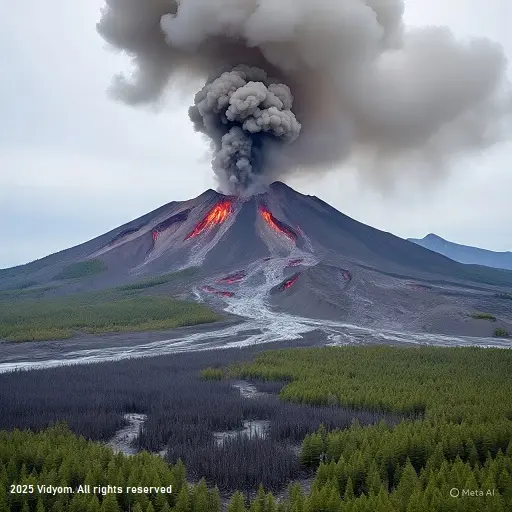
- A volcano is an opening in Earth where hot lava, gas, and ash can come out.
- Many volcanoes look like mountains, but some are found under the ocean.
- Underwater volcanoes can sometimes help build new islands.
- Eruptions can create new land and change landscapes quickly.
- The biggest volcano in the solar system is Olympus Mons on Mars.
- Thick lava can make steep volcanoes, while runny lava can spread out widely.
- Small earthquakes can sometimes warn scientists before an eruption.
- Volcanic ash can help soil become rich for plants over time.
- People near volcanoes should follow local safety guides and alerts.
- Scientists who study volcanoes are called volcanologists.
Volcano Facts at a Glance
This table gives clear volcano facts for kids in one place. Children can quickly learn about eruptions, lava, ash, underwater volcanoes, new land, rich soil, safety, and the scientists who study volcanoes.
| Detail | Volcano Information | Easy Meaning for Kids |
|---|---|---|
| What a Volcano Is | An opening in Earth where lava, gas, and ash can come out | A volcano is a place where hot material from inside Earth can reach the surface. |
| Eruption | An eruption happens when lava, ash, and gases escape from a volcano | During an eruption, hot material and gases can come out of the volcano. |
| Lava | Lava is molten rock that reaches Earth’s surface | Lava is very hot melted rock that comes out of a volcano. |
| Volcano Shape | Thick lava can help form steep volcanoes, while runny lava spreads farther | Different kinds of lava can make volcanoes look different. |
| Underwater Volcanoes | Some volcanoes are found beneath the ocean | Volcanoes do not only exist on land; some are under the sea. |
| New Islands | Underwater volcanic eruptions can sometimes help build new islands | Lava can cool and build up until new land appears above the water. |
| Changing Land | Eruptions can create new land and quickly change landscapes | Volcanoes can reshape parts of Earth’s surface. |
| Volcanic Ash | Volcanic ash can add minerals to soil over time | Old volcanic ash can help make some soil rich for plants. |
| Warning Signs | Small earthquakes can sometimes happen before an eruption | Scientists watch earthquakes and other changes to help understand volcano activity. |
| Safety | People living near volcanoes should follow local warnings and safety instructions | Listening to official safety alerts helps people stay safer near volcanoes. |
| Volcano Scientist | A scientist who studies volcanoes is called a volcanologist | Volcanologists learn how volcanoes work and watch for changes. |
| Largest Known Volcano | Olympus Mons on Mars is the biggest volcano in the solar system | The largest volcano we know about is on Mars, not Earth. |
Volcano Questions and Answers for Kids
Test what you remember from these volcano facts for kids. Read each question, think about the answer, and then tap Show Answer.
What is a volcano?
Answer: A volcano is an opening in Earth where hot lava, gas, and ash can come out.
Where can volcanoes be found?
Answer: Volcanoes can be found on land and under the ocean.
How can underwater volcanoes create new islands?
Answer: Lava from underwater eruptions can cool and build up until new land rises above the water.
What is the biggest volcano in the solar system?
Answer: Olympus Mons on Mars is the biggest volcano in the solar system.
How can different kinds of lava affect a volcano’s shape?
Answer: Thick lava can help make steep volcanoes, while runny lava can spread out over a wider area.
What can sometimes happen before a volcanic eruption?
Answer: Small earthquakes can sometimes happen before an eruption and help scientists watch for volcanic activity.
How can volcanic ash help plants?
Answer: Over time, volcanic ash can add minerals to the soil and help make it rich for plants.
What are scientists who study volcanoes called?
Answer: Scientists who study volcanoes are called volcanologists.

Volcano Facts for Kids – Discover the Power of Volcanoes
Learn simple and exciting volcano facts for kids, including how volcanoes erupt, what lava and ash are, underwater volcanoes, different volcano types, and some of the biggest volcanoes.
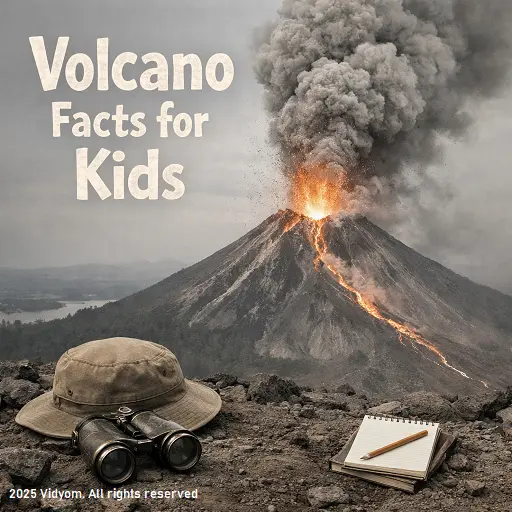
What We Learned About Volcanoes
Volcanoes are openings in Earth where hot lava, gas, and ash can come out. Some are found on land, while others lie beneath the ocean. Eruptions can create new land, reshape landscapes, and add minerals to soil over time.
For Parents and Teachers
- Play the fact audio while the child looks at the volcano picture.
- Ask the child, “What can come out during a volcanic eruption?”
- Encourage the child to remember that some volcanoes are found under the ocean.
- Let the child explain two or three volcano facts in their own words.
Read-Aloud Practice
Read aloud: “A volcano is an opening in Earth where hot lava, gas, and ash can come out.”
Try this: “Underwater volcanoes can sometimes help build new islands.”
Remember: “Scientists who study volcanoes are called volcanologists.”
Learning tip: Ask the child to remember one new volcano fact each day. Short reviews can help children understand how volcanoes change Earth’s surface.
Explore More Facts for Kids
Keep learning with the next fun facts lessons for kids.



Volcano Facts for Kids – Quick FAQ
These quick questions help children review volcano facts for kids in simple words.
What causes a volcano to erupt?
Are all volcanoes the same?
Can volcanoes be underwater?
Is volcanic ash dangerous?
What is the biggest volcano?

📲 Download Vidyom – Kids Learning App
Enjoy safe and distraction-free learning for kids. Install the Vidyom app now for an ad-free experience, fun lessons, and interactive activities.