Parent Involvement in Early Learning
Parent involvement in early learning helps children learn better through strong home-school connection. This lesson shows teachers simple ways to improve communication, routines, and family support.
Smartkids learning zone – Preschool, LKG, UKG, Class 1 & 2
Kindergarten teacher training helps educators build strong preschool teaching skills with practical methods. In this collection, you will find posts on child development, classroom management, lesson planning, activity-based learning, and communication techniques for early years classrooms. These lessons are designed to support new and improving teachers with simple steps, real examples, and ready-to-use ideas for Pre KG, LKG, and UKG learners.
Scroll below to explore all posts under this tag and start improving your kindergarten teaching step by step.
Parent involvement in early learning helps children learn better through strong home-school connection. This lesson shows teachers simple ways to improve communication, routines, and family support.
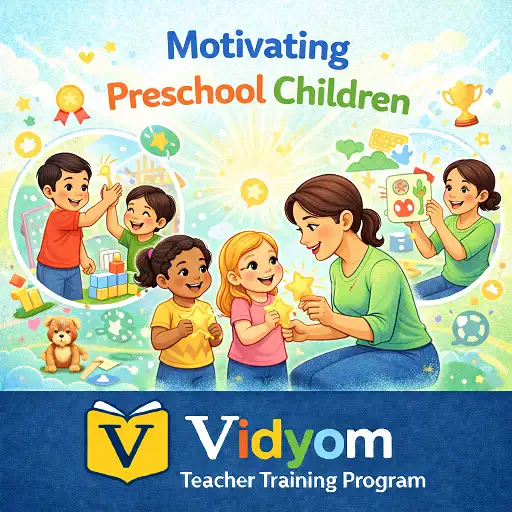
Motivating preschool children helps teachers inspire curiosity, confidence, and a love for learning. This lesson explains simple ways to encourage young learners through praise, fun activities, and positive guidance so children stay engaged, happy, and eager to participate in classroom learning.
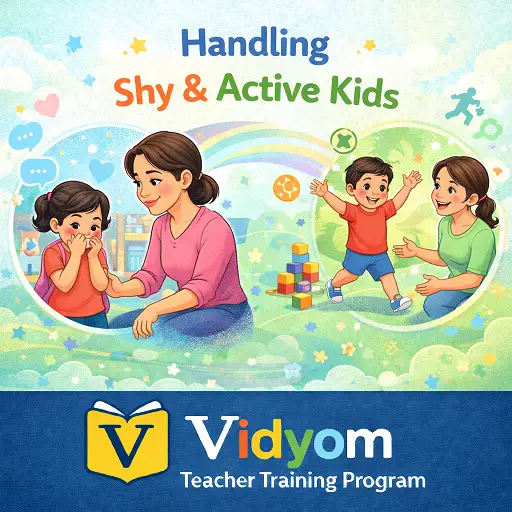
Handling shy and active kids helps teachers support different personalities in the preschool classroom. This lesson explains simple ways to encourage shy children to participate and guide energetic children positively, creating a balanced, friendly, and engaging learning environment for children aged 3–6.
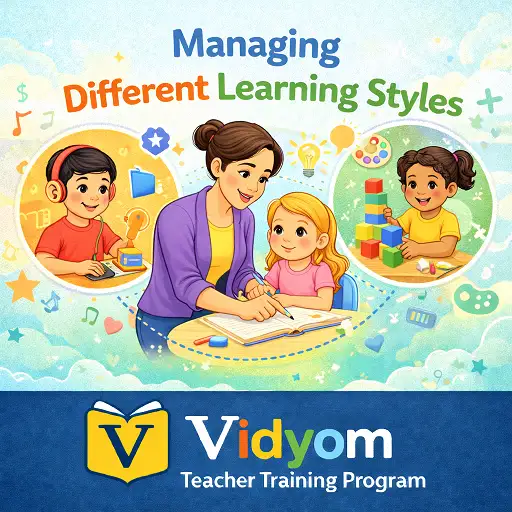
Managing different learning styles helps teachers understand that every child learns in a unique way. This lesson explains how preschool teachers can support visual, auditory, and hands-on learners by using simple teaching methods that make learning easier and more enjoyable for children aged 3–6.
Building teacher–student bond helps create trust, safety, and positive learning in the classroom. This lesson explains simple ways teachers can connect with young children through kindness, communication, and encouragement, helping preschool learners feel confident, respected, and ready to learn every day.
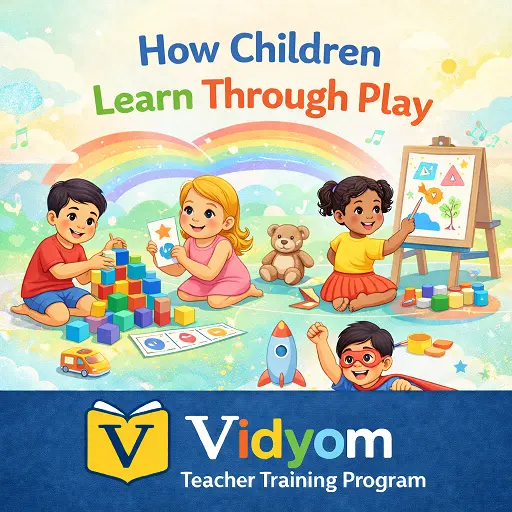
How children learn through play shows why play is one of the most powerful ways young children develop skills. This lesson explains how play supports creativity, problem-solving, language growth, and social learning in early childhood classrooms for children aged 3–6.
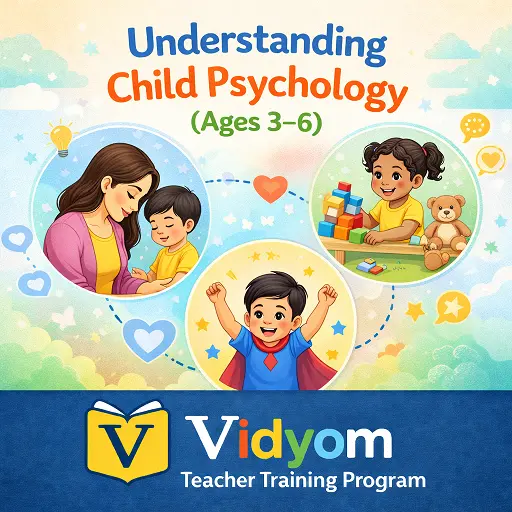
Understanding child psychology ages 3–6 helps teachers know how young children think, feel, and learn. This lesson explains emotional, social, and cognitive development in preschoolers and shows simple strategies teachers can use to create a supportive and effective early learning environment.
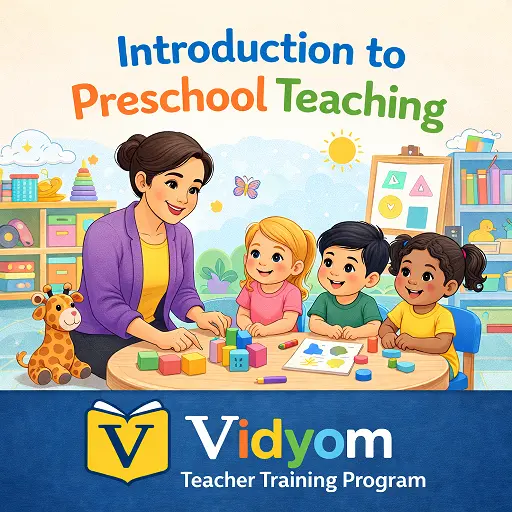
Introduction to preschool teaching explains the important role of early childhood educators in shaping young minds. This lesson introduces the basics of teaching preschool children, including building a caring environment, guiding early learning, and supporting the social and emotional development of children aged 3–6.