
Skip to content
Lesson
Complete Country Flags for Kids โ€“ Full Guide
Flags and Countries for Kids โ€“ Simple Guide
World Flags Chart for Kids Learning
Easy Country Flags for Kids Learning
Country Flags with Names and Capitals for Kids

Vidyom

Smart Knowledge Journey for Easy Education – Pre-kg To Class 5

  • VIDYOM โ€“ Kids Learning
    • Vidyom Classroom
      • โžค Pre-KG Lessons
      • โžค LKG Lessons
      • โžค UKG Lessons
      • โžค Standard 1 Lessons
      • โžค Standard 2 Lessons
    • Kids Learning Hub
    • Kids Learning Library
  • Privacy-Policy
  • About-us
  • Contact-Us
Search Search Close

More results...

Generic selectors
Exact matches only
Search in title
Search in content
Post Type Selectors

Tag: preschool child psychology

Preschool Child Psychology for Parents and Teachers

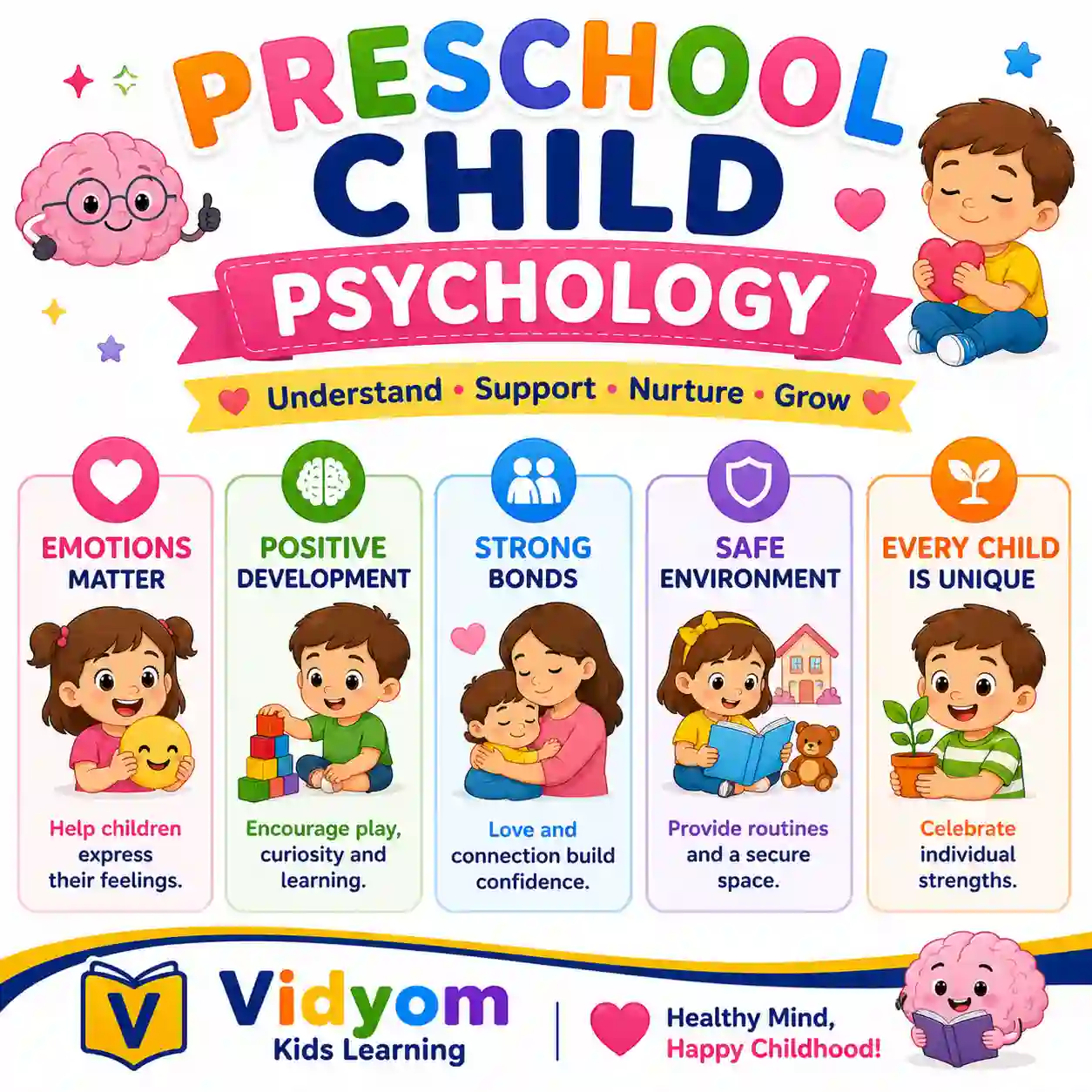
Preschool child psychology helps parents and teachers understand how young children learn, communicate, build relationships, express emotions, and respond to different classroom experiences. This tag includes 7 practical guides covering child development from ages 3 to 6, learning through play, teacher-student relationships, shy and active children, different learning styles, motivation, and parent involvement. These resources offer simple educational ideas for creating supportive and age-appropriate early learning environments.

Parent and teacher learning about preschool child psychology development play motivation and learning styles

What Parents and Teachers Can Explore

These guides explain common preschool learning and behaviour topics in simple language. Adults can use them to observe children more carefully, respond with patience, plan suitable activities, and encourage positive relationships between home and school.

  • ๐Ÿง  Development and learning between ages 3 and 6
  • ๐Ÿงธ How children develop skills through play
  • ๐Ÿค Building a positive teacher-student bond
  • ๐ŸŒฑ Supporting both shy and highly active children
  • ๐Ÿ“š Understanding different ways children learn
  • โญ Encouraging motivation, confidence and participation

Tip for Parents and Teachers

Observe the childโ€™s interests, communication, energy level, and response to different activities before deciding how to support them. Use calm instructions, predictable routines, play-based learning, encouragement, and age-appropriate choices. Parents and teachers should also share observations so the child receives consistent support at home and in the classroom.

Explore the 7 guides displayed below to learn about preschool development, play-based learning, teacher-student relationships, learning styles, motivation, classroom behaviour, and parent involvement.

parent involvement in early learning illustration showing parents helping a child learn at home
Sep 18

Parent Involvement in Early Learning โ€“ Teacher Guide

SAROJ KUMAR BISWALFoundations & Child Psychologypreschool child psychology

Parent involvement in early learning helps children learn better through strong home-school connection. This lesson shows teachers simple ways to improve communication, routines, and family support.
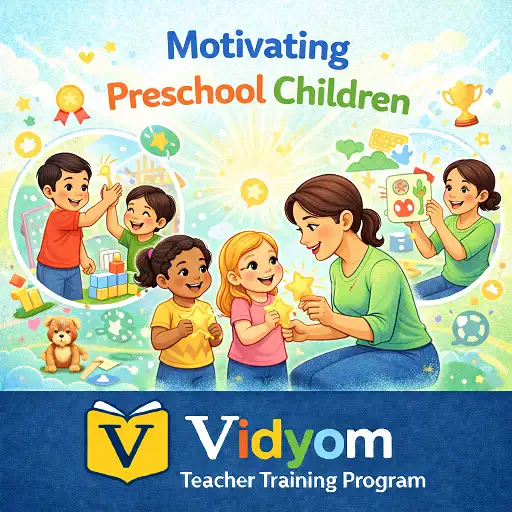
motivating preschool children illustration showing a teacher encouraging young kids with stars and positive learning activities
Sep 18

Motivating Preschool Children โ€“ Teacher Guide

SAROJ KUMAR BISWALFoundations & Child Psychologypreschool child psychology

Motivating preschool children helps teachers inspire curiosity, confidence, and a love for learning. This lesson explains simple ways to encourage young learners through praise, fun activities, and positive guidance so children stay engaged, happy, and eager to participate in classroom learning.

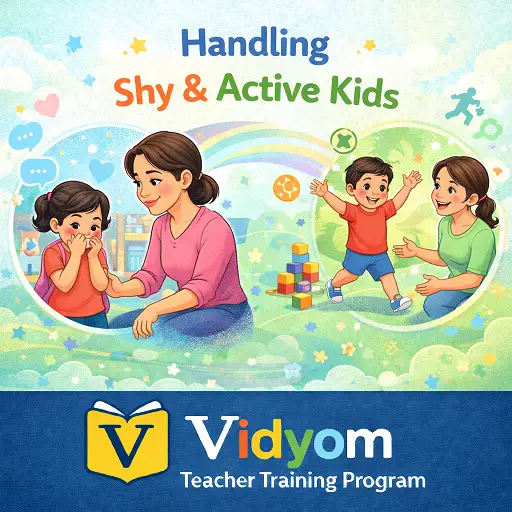
handling shy and active kids illustration showing preschool teacher supporting a shy child and guiding an energetic child in class
Sep 18

Handling Shy & Active Kids in Preschool

SAROJ KUMAR BISWALFoundations & Child Psychologypreschool child psychology

Handling shy and active kids helps teachers support different personalities in the preschool classroom. This lesson explains simple ways to encourage shy children to participate and guide energetic children positively, creating a balanced, friendly, and engaging learning environment for children aged 3โ€“6.

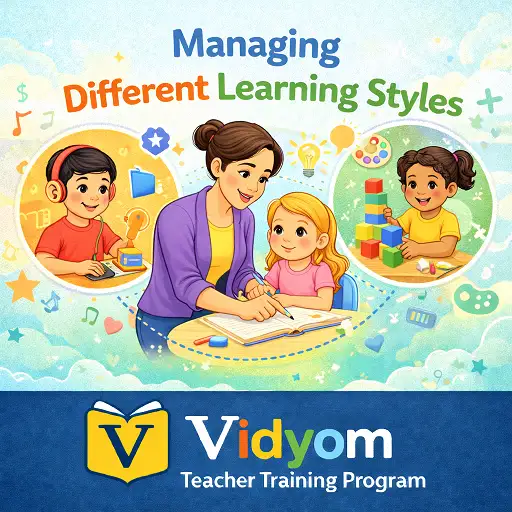
managing different learning styles illustration showing preschool teacher helping children learn through visual, auditory, and hands-on activities
Sep 18

Managing Different Learning Styles in Preschool

SAROJ KUMAR BISWALFoundations & Child Psychologypreschool child psychology

Managing different learning styles helps teachers understand that every child learns in a unique way. This lesson explains how preschool teachers can support visual, auditory, and hands-on learners by using simple teaching methods that make learning easier and more enjoyable for children aged 3โ€“6.

building teacher student bond illustration showing a preschool teacher warmly interacting and reading with a young child
Sep 18

Building Teacher-Student Bond โ€“ Preschool Teacher Guide

SAROJ KUMAR BISWALFoundations & Child Psychologypreschool child psychology

Building teacherโ€“student bond helps create trust, safety, and positive learning in the classroom. This lesson explains simple ways teachers can connect with young children through kindness, communication, and encouragement, helping preschool learners feel confident, respected, and ready to learn every day.

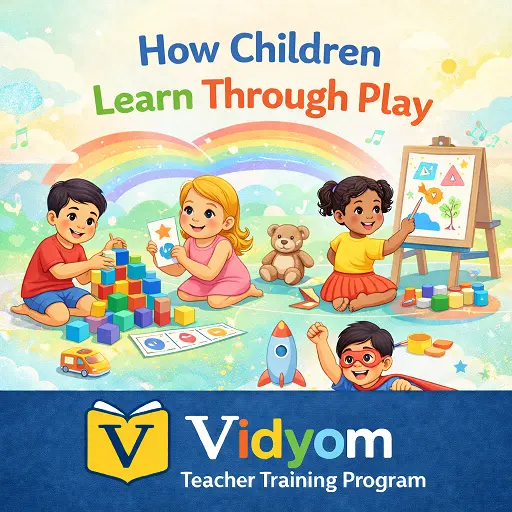
how children learn through play illustration showing preschool kids building blocks, drawing, and playing while learning
Sep 18

How Children Learn Through Play โ€“ Preschool Teacher Guide

SAROJ KUMAR BISWALFoundations & Child Psychologypreschool child psychology

How children learn through play shows why play is one of the most powerful ways young children develop skills. This lesson explains how play supports creativity, problem-solving, language growth, and social learning in early childhood classrooms for children aged 3โ€“6.

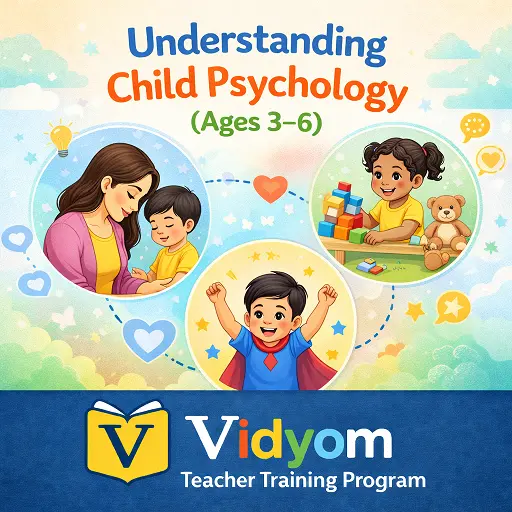
child psychology ages 3 to 6 lesson illustration showing emotional development, play learning, and confidence in young children
Sep 18

Understanding Child Psychology (Ages 3โ€“6)

SAROJ KUMAR BISWALFoundations & Child Psychologypreschool child psychology

Understanding child psychology ages 3โ€“6 helps teachers know how young children think, feel, and learn. This lesson explains emotional, social, and cognitive development in preschoolers and shows simple strategies teachers can use to create a supportive and effective early learning environment.

Vidyom Smartkids Learning Zone ad showing cartoon kids learning with books and tablet, promoting an ad-free kids learning app on Google Play.
Tap to download the Vidyom Kids Learning App on Google Play.

FOLLOW VIDYOM

Join us for kids learning updates, videos, and activities.

YouTube Instagram WhatsApp Facebook X (Twitter) LinkedIn Pinterest Telegram
โฐ You have been learning for 00:00
VIDYOM Kids Learning Logo

Enjoying VIDYOM?

Please rate us on Google Play

โ˜…โ˜…โ˜…โ˜…โ˜…

Your review helps us improve learning for kids.

๐Ÿ“š Learning ๐ŸŽฎ Fun ๐Ÿ›ก๏ธ Safe
โ–ถ Rate on Google Play
Safe โ€ข Educational โ€ข Trusted by Parents
  • About-us
  • Privacy-Policy
  • Contact-Us
  • Terms-And-Conditions
  • Childrenโ€™s-Privacy Policy
  • Cookie-Policy
  • Copyright Policy
  • Disclaimer
  • Content Review Policy
2025 Vidyom. All rights reserved
Education Soul by WEN Themes